
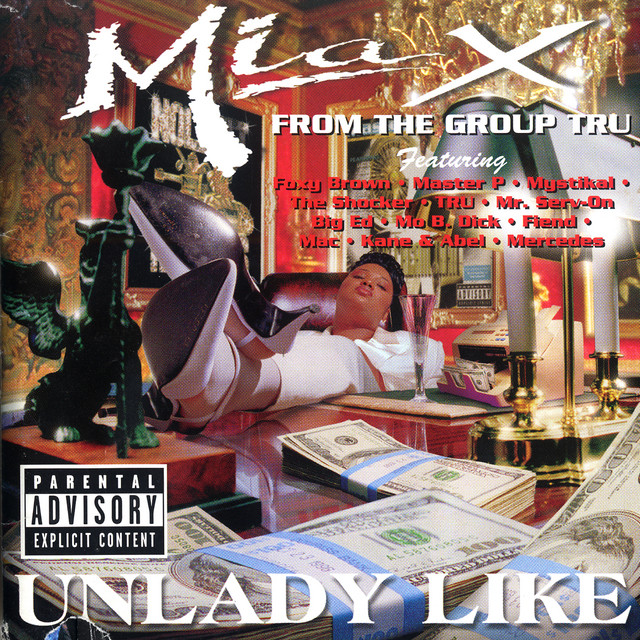
Payback II – Mia X + Thank You – Mia X
^^One of the best female rappers to ever do it btw.
In a time of (sensible and rational) fears around AI growing louder, especially when it comes to art, and digital art in particular, I wanted to take a moment to shout out some of the best people to ever do it in the rap game: Pen & Pixel Graphics.
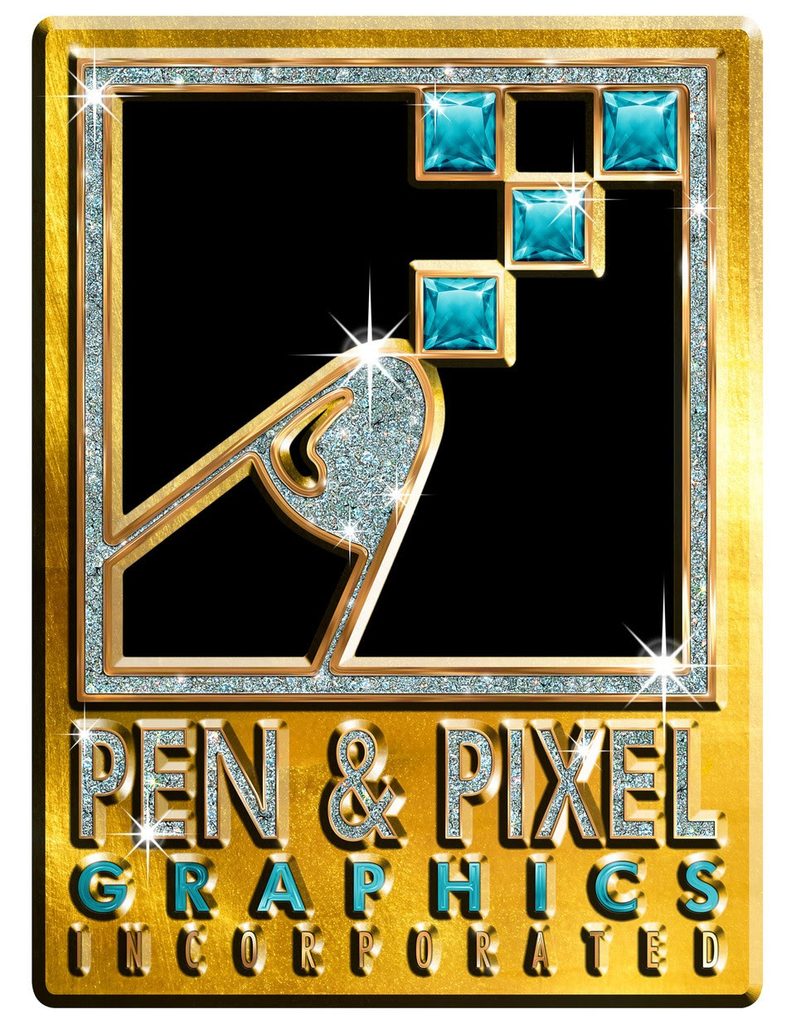
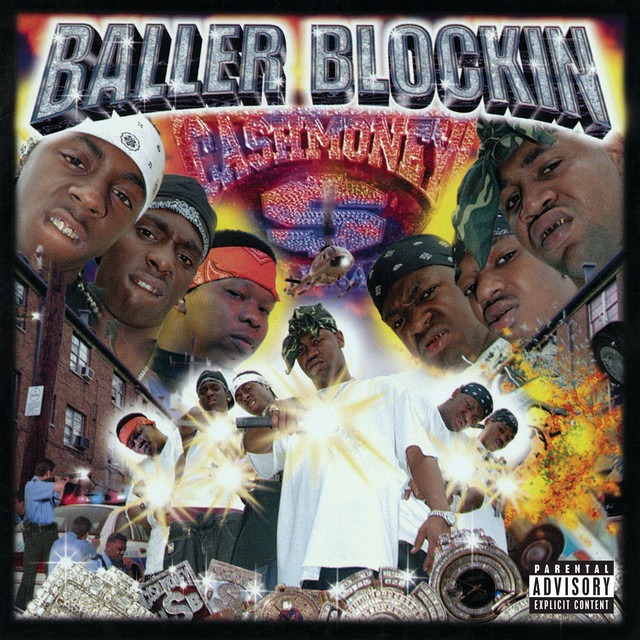
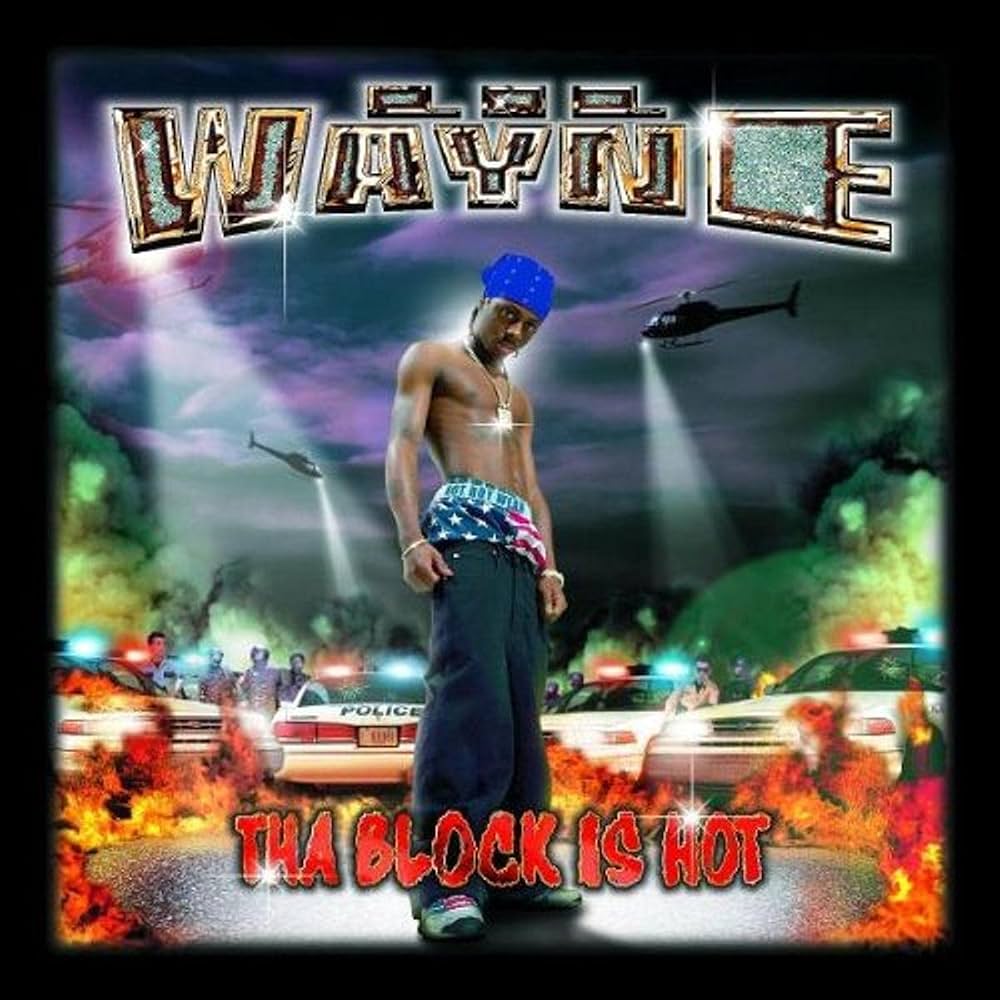
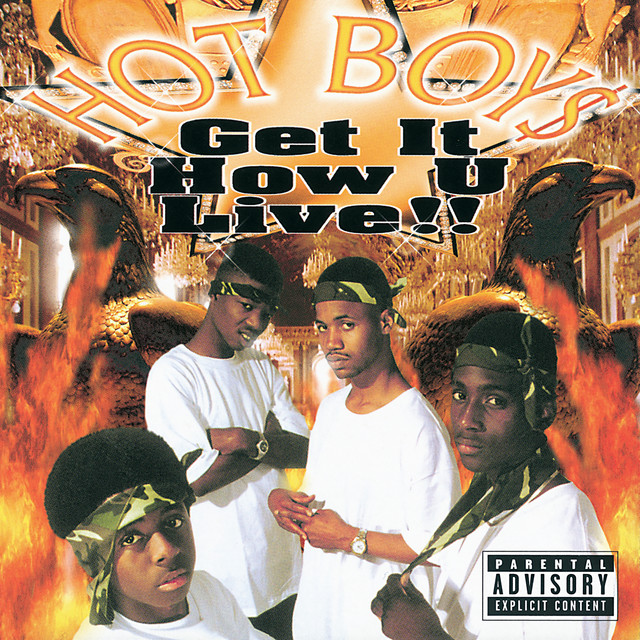
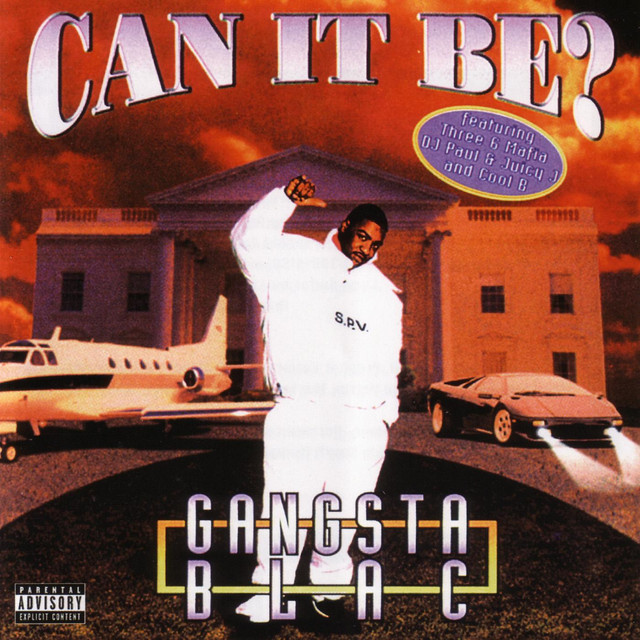
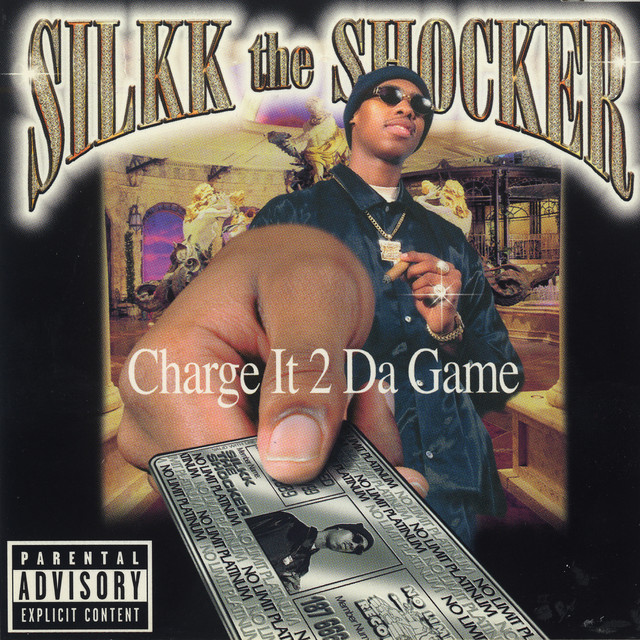
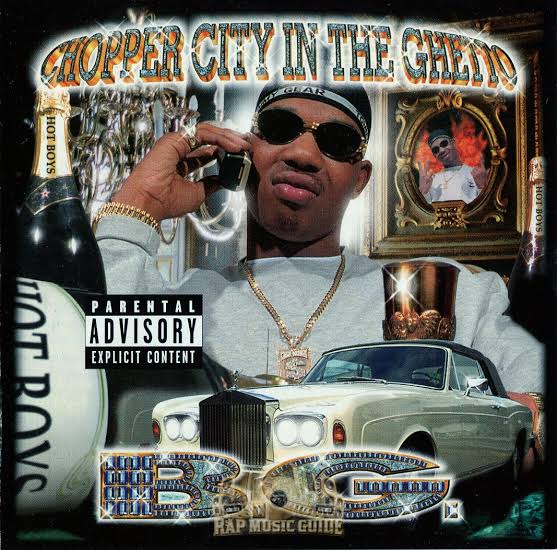
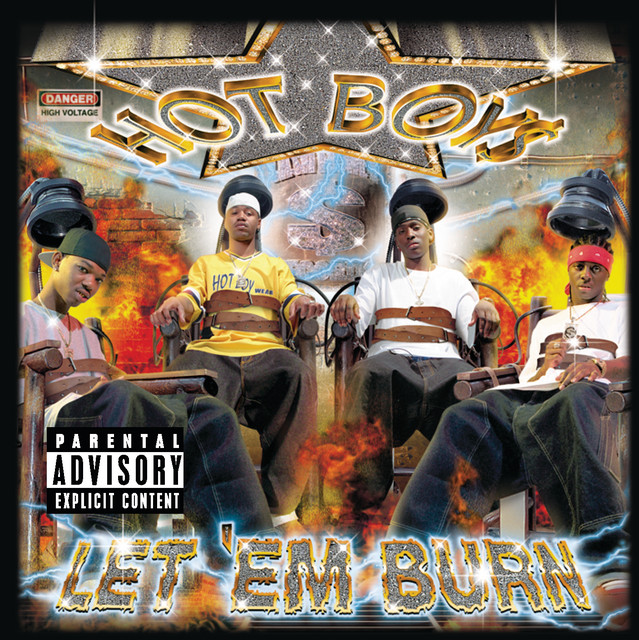
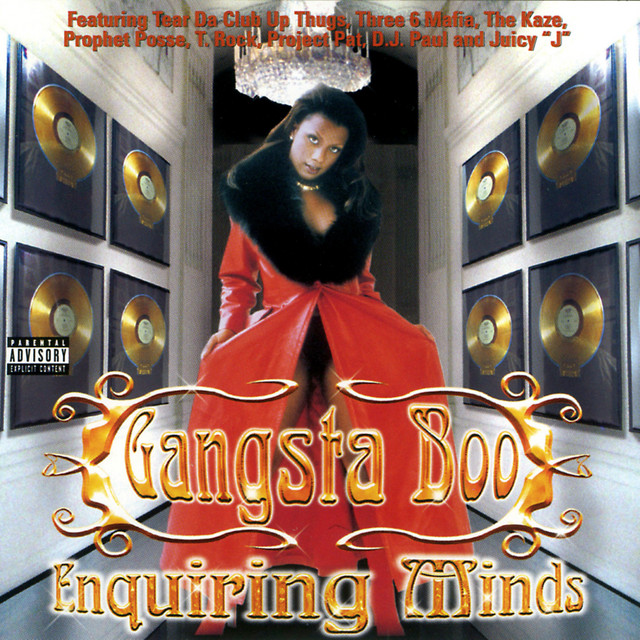
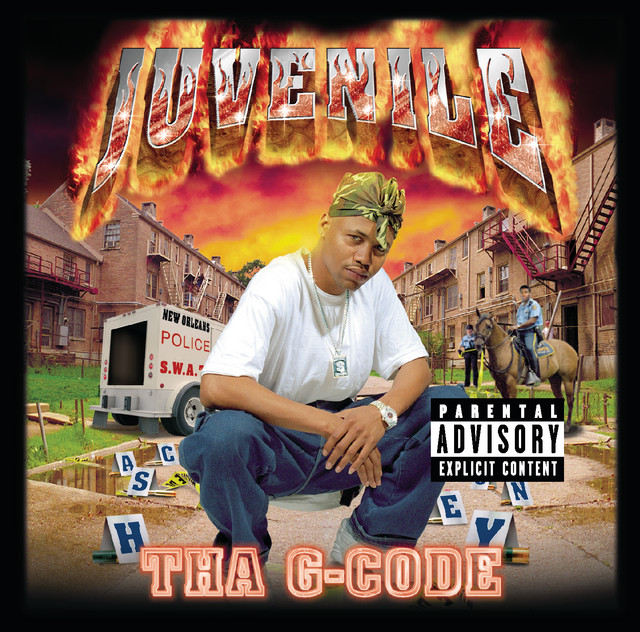
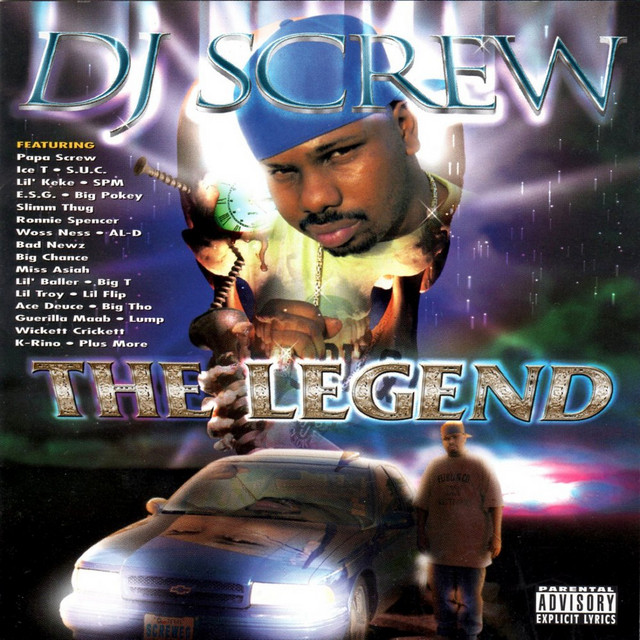
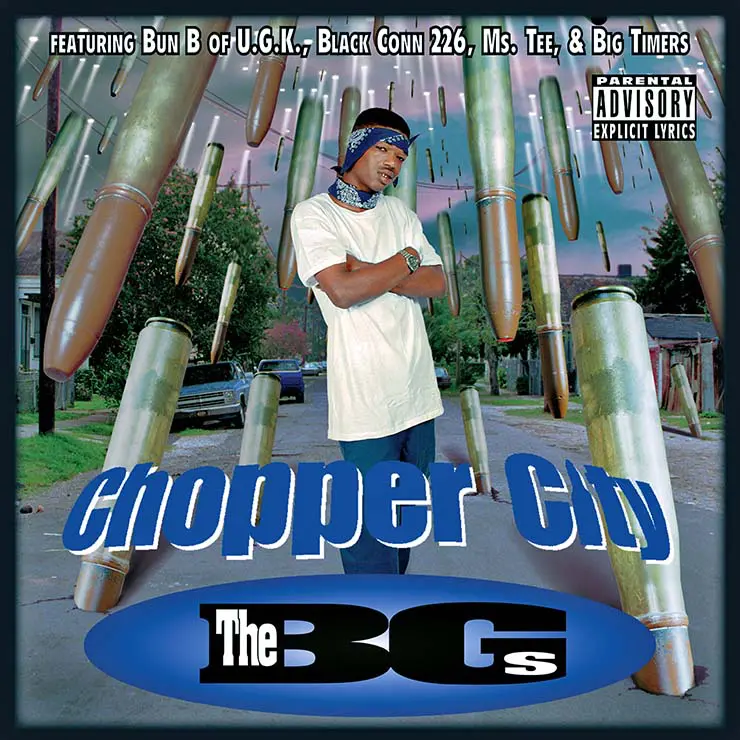
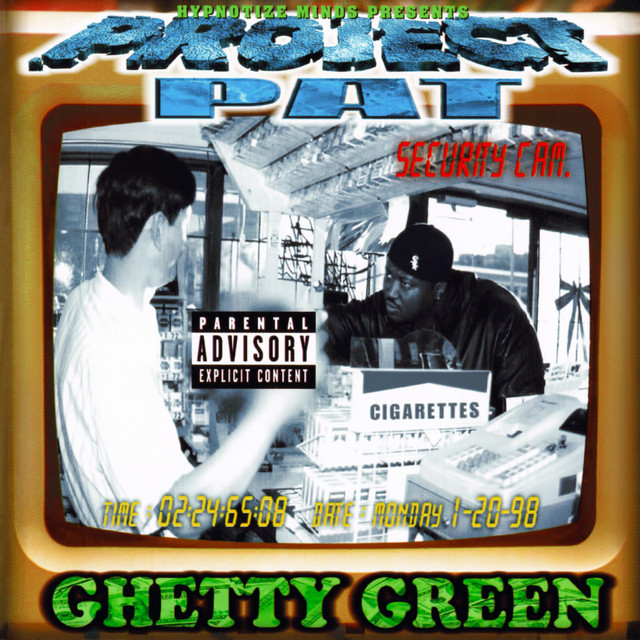
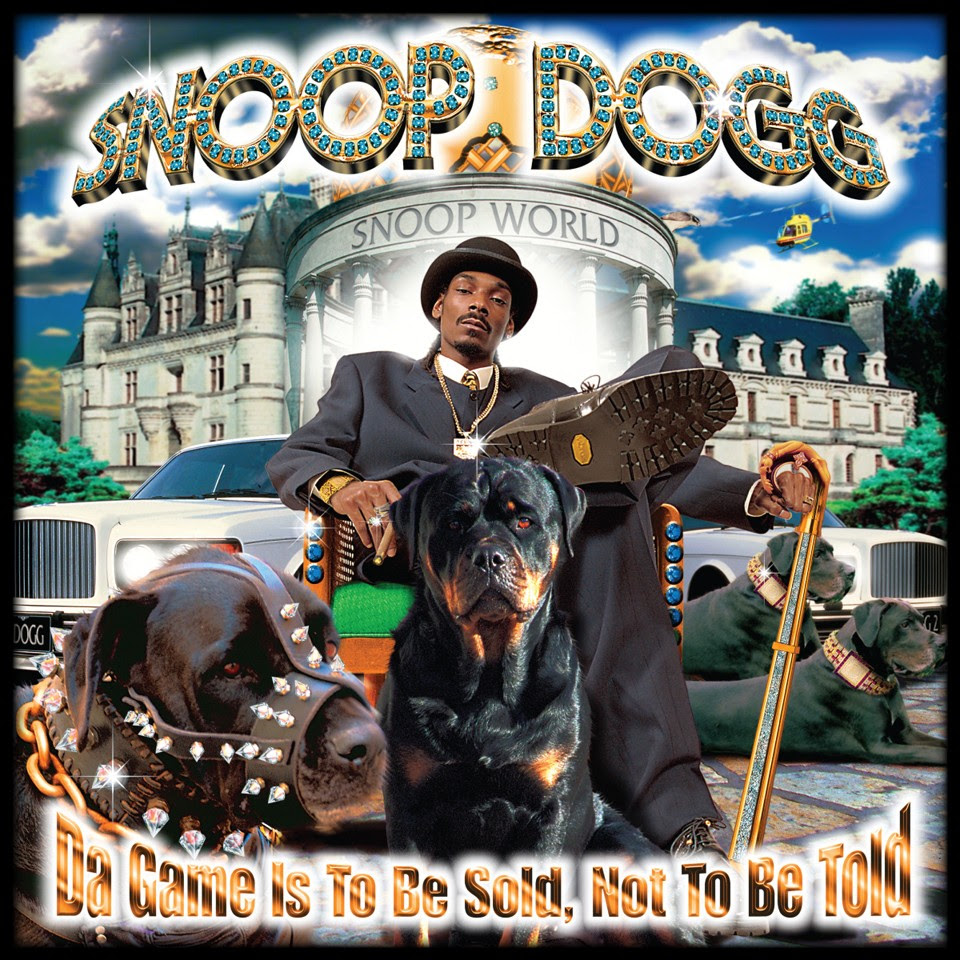
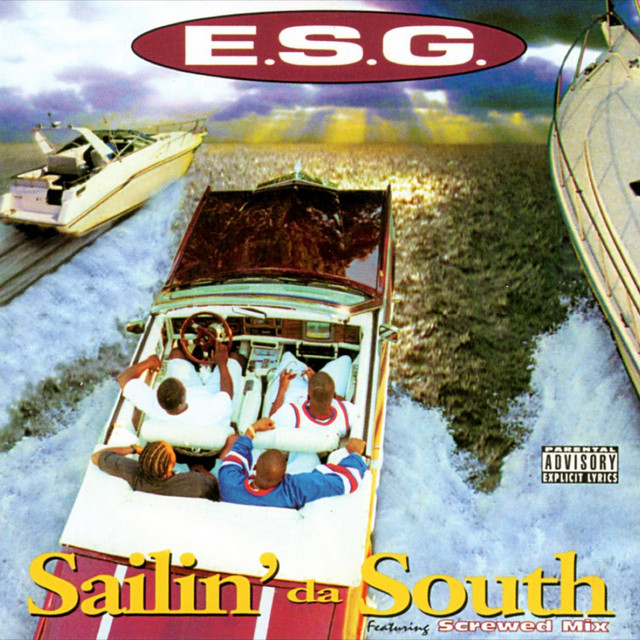
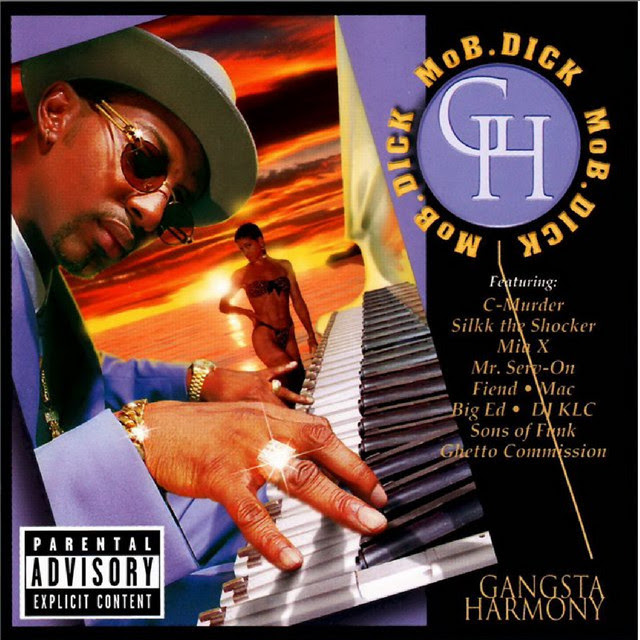
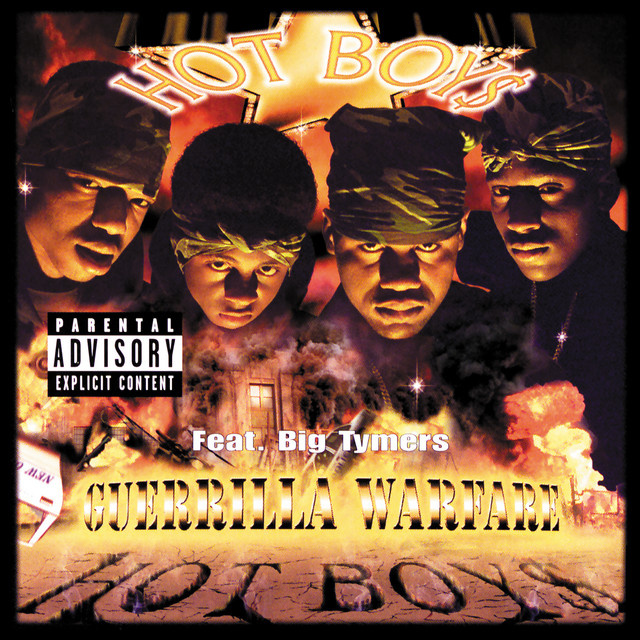
You know the aesthetic, even if you don’t know the name. Maximalist compositions. Hyper-realistic collages. Grandiose, blinged-out, almost absurd 3D typography. Pen & Pixel had a way of turning visual excess into an art form. They made the impossible possible. Beyond album covers, they pushed digital art into places it had never been before, inspiring generations of artists and ideas that cannot be distilled into a prompt or replicated by a machine.
And that’s the thing AI can never recreate: imagination.
Pen & Pixel was a Houston-based graphic design firm started by two brothers, Shawn Brauch (art director) and Aaron Brauch (business + systems guy). They started the company from the dining room of their apartment, but Shawn’s background as a classically trained artist gave them something central to their process: a strong foundation in traditional hand skills and the ability to translate ideas onto paper before they ever touched a computer.
Their formula was deceptively simple. They would sit down with a client, listen to the music, and immediately start throwing down sketches. Those preliminary sketches became the foundation for everything that followed. They informed the photography, the compositions, and eventually the digital work.
Pen first, pixel second.
The brothers were early adopters of emerging technologies like Photoshop and SGI workstations (advanced 3D graphics and visualization software), eventually becoming beta testers for Adobe. They worked directly with the company through glitches and bugs, showing Adobe how they were using the software to create their work. (I just wanna pause here and wake up how legit you gotta be to use the cutting-edge technology so hard that the creator of said technology is on your line asking how you’re doing it?).
Some of Pen & Pixel’s most career-defining clients were Cash Money Records and No Limit Records. The brothers became in-house designers for both labels, helping shape their visual identities and creating the now-iconic logos that became synonymous with Southern Hip-Hop.
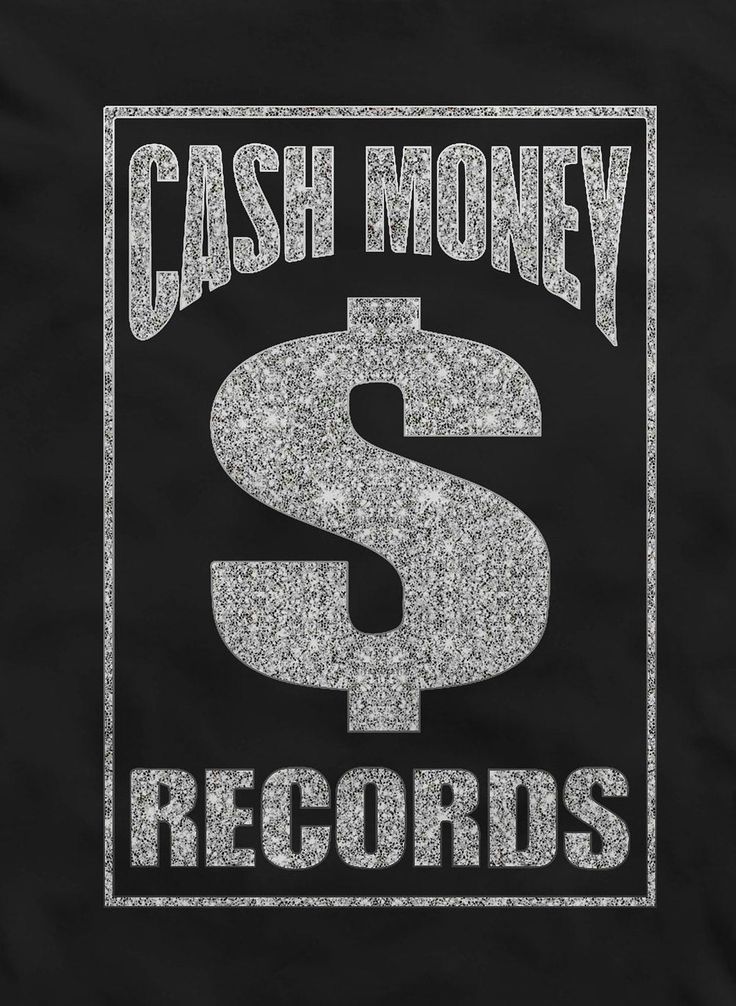

From there, their influence spread far beyond the South. As they began designing covers for artists all over the country, the Pen & Pixel aesthetic quickly became a visual language of its own. Their maximalist style inspired thousands of album covers over the decades that followed. With such a distinct visual identity, even a novice Hip-Hop fan can spot a Pen & Pixel (original or inspired) within seconds.
At the height of their success, the brothers had expanded well beyond music, working with household names like Ferrari, HBO, and the Houston Rockets. Pen & Pixel had effectively become a “special effects” house: the place to go when you wanted Photoshop pushed to its absolute limits, whether that meant retouching, compositing, or creating something that couldn’t exist elsewhere.
Pen & Pixel’s creative direction was integral to their clients’ visual success, especially during a time when major record labels weren’t paying much attention to what was happening down South. The majors had the money, and the money came with access to art direction. Smaller and underground artists? They had to hustle.
By working in tandem with artists’ lived experiences and existing visual identities, the brothers helped cement a visual language built around ambition, excess, and possibility, one that represents the limitless philosophy of the American Dream through the lens of Hip-Hop.
One component that made their style so distinct was their refusal to rely on stock images to create the digital worlds they conceived. Rather, their team orchestrated custom photoshoots, photographing items like bullets, luxury cars, women, and jewelry individually and from unusual angles to build their own archive of assets. They weren’t just pulling images together; they were creating the raw materials for an entire visual universe.
But perhaps nothing became more synonymous with Pen & Pixel than their 3D bling typography. Diamond-encrusted, platinum- and gold-textured fonts became a defining element of their aesthetic. A style that still lives on in album cover art (and much more, tbh) today.
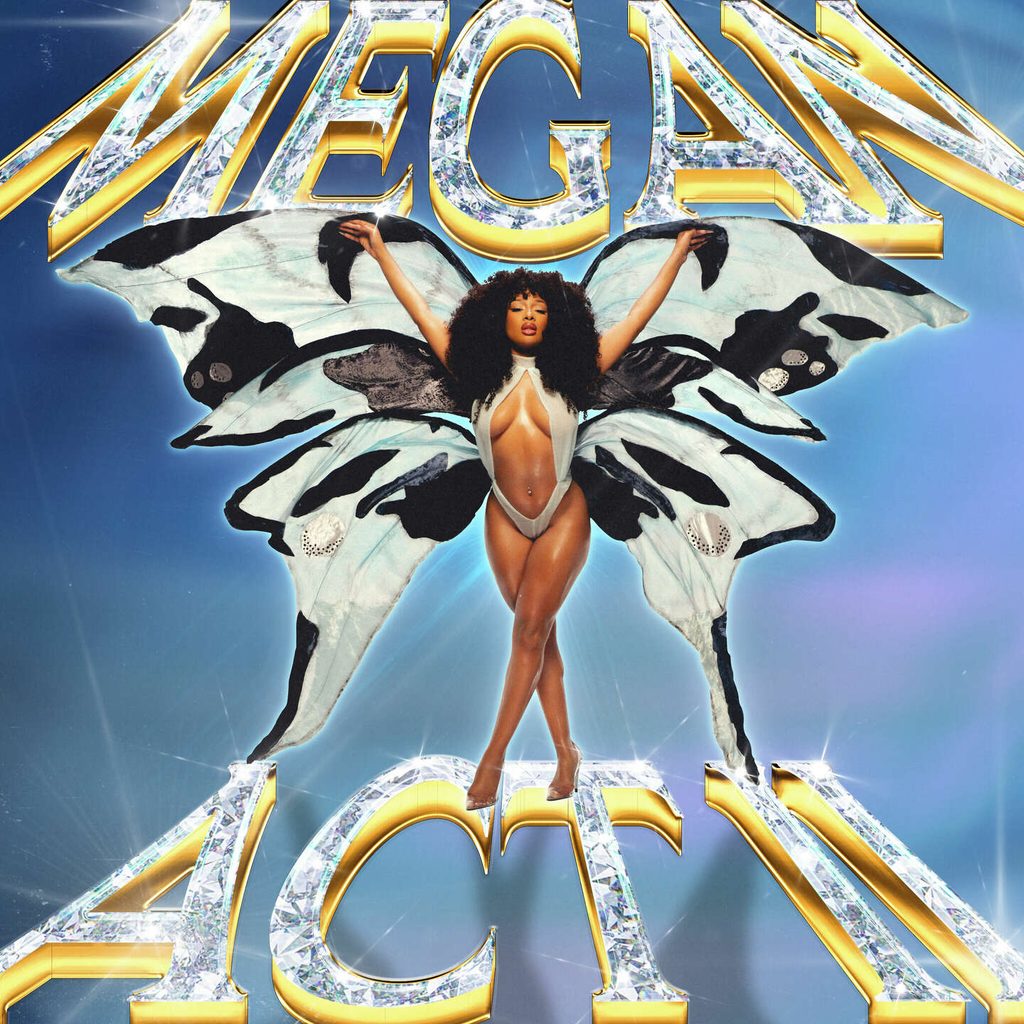
Over the course of their 11-year (legendary) run, Pen & Pixel created nearly 20,000 album covers, helping define the visual identity of Southern Hip-Hop before their influence eventually spread across the genre as a whole. Their maximalist, hyper-realistic approach to Photoshop and digital collage became one of the defining aesthetics of ’90s and 2000s Hip-Hop.
Sadly, in 2003, Pen & Pixel closed their doors due to the rise of Napster (a music file-sharing service) and (lowkey surprisingly) the attacks of September 11. Artists became reluctant to fly to Houston to review artwork for an audience that may not even physically see it.
Not long after, the aesthetic itself began to fall out of favor. The excess of the ‘90s gave way to the minimalism of the mid-2000s, with the rise of the iPod era of digital music changing not only how we listened to music, but how we visualized it. Nearly 20 years after closing their doors, Pen & Pixel came out of retirement to design the iconic 2020 album cover for 21 Savage and Metro Boomin’s Savage Mode II.
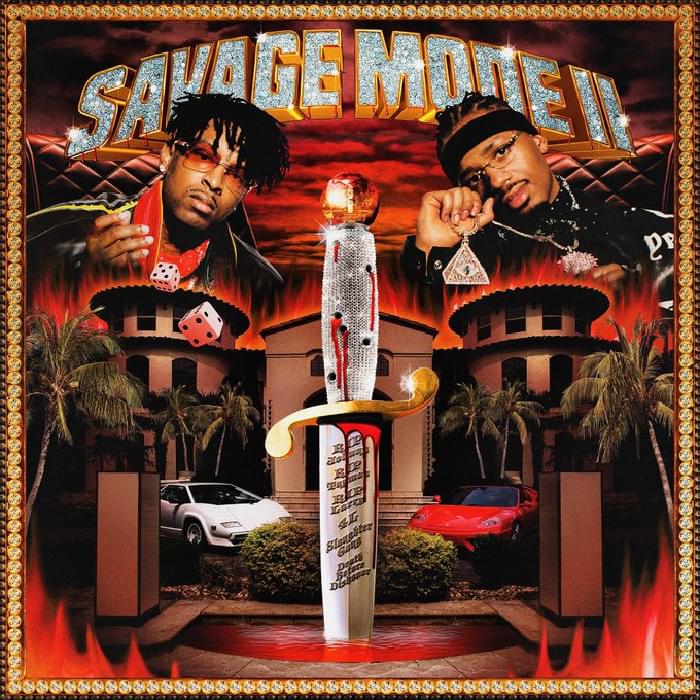
Lest us not overlook the unwavering confidence and trust the brothers had in themselves, their clients, and their vision. Confidence that gave them the freedom to ignore the disapproval of critics and peers alike. They ignored the traditional rules of composition and embraced an excessively comical use of digital effects. Critics have since come around to recontextualize the style as a deliberate artistic choice, but that validation came after Pen & Pixel had already changed the landscape of album cover art. At the time, people largely understood their work through its association with gangster rap rather than recognizing the artistry, innovation, and pioneering digital skills behind it.
It’s at this exact realization that we can revisit the intellectual limits of AI. Experimentation, confidence, and fearless audacity (human breed, too) all contributed to the company’s success, eventually turning their style into a blueprint that would influence decades of visual culture beyond music, permeating spaces like fashion and archival art.
You can teach a computer a skill. You can code a computer to mimic a style. But you cannot imitate human-generated swag!!
Art becomes multidimensional when it converges with human experience. The technique can be replicated. The conditions that produced the art cannot.
I’ve gathered some of my favorite Pen & Pixel album covers for you to peruse at your leisure, but consider this merely an appetizer. The selection I’ve chosen could never do justice to the full breadth of their boundless creativity; therefore, I highly recommend exploring the complete archive of their work through: https://southernrapalbums.com/

Leave a Reply