Category: Uncategorized

  • The Cost Of Control Percolating On The Big Burner

    Set Adrift On Memory Bliss – P.M. Dawn + Setting Sun / High Tide – Stennes

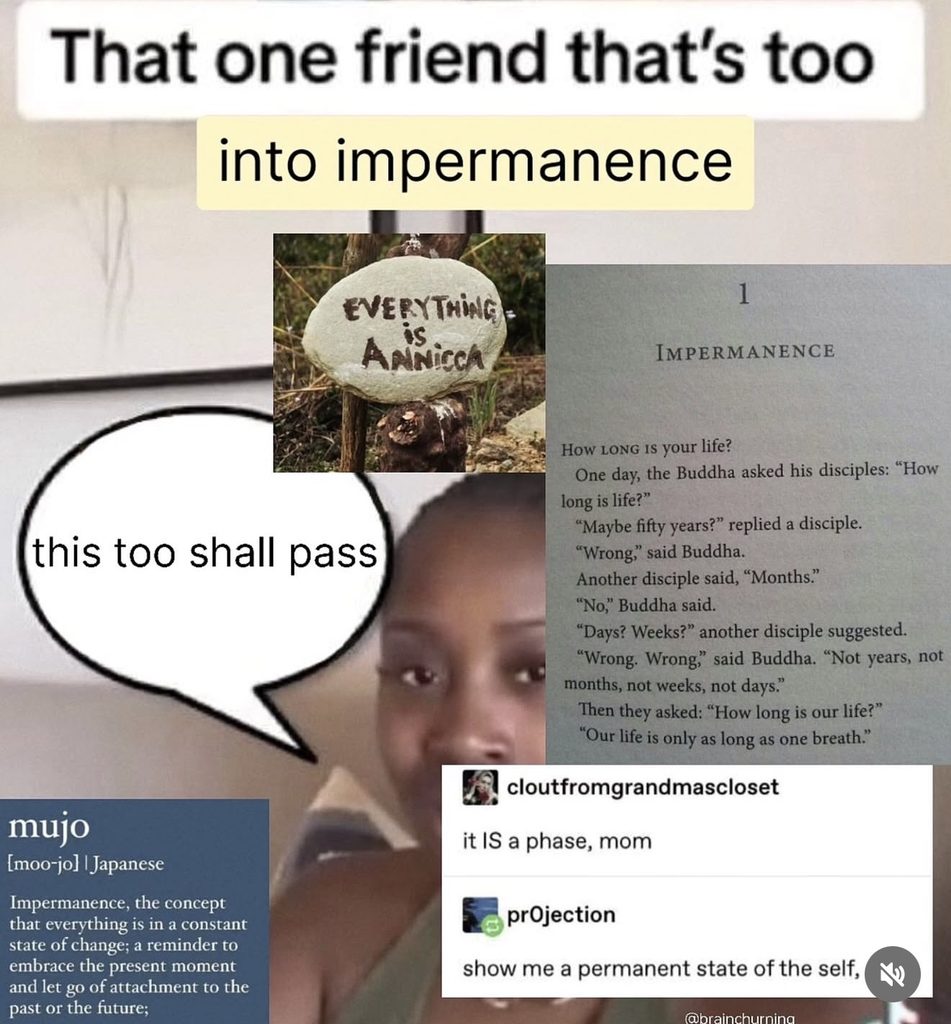
    I’ve been percolating on the big burner about how much detachment is inherently baked into the human experience (especially in your twenties). However, I not only need to become okay with this forced detachment outside my control,I also need to actively detach in my conscious experience as well (awesome, no worries love!!). It’s so simple it’s deceptive. Attachment is the root of all suffering. Therefore, to end suffering, end attachment. Easy as that, right? But GAH DAMN it feels so good to attach (until it doesn’t)! The illusory facade of “having control” feeds my ego and quiets my anxiety, creating a fragile sense of security. It isn’t until I’m inevitably reminded by forces beyond my control just how tightly I’ve been trying to grip grains of sand. For a feeling to carry such comforting weight, its undoing reveals just how fragile that comfort had always been.

    After all, “control” offers little more than the illusion of something tangible, something within my grasp. And sometimes, that illusion is comforting enough to keep me passive, causing me to overlook opportunities to expand and explore simply because they feel unfamiliar and vulnerable. I consider myself an honest person, even forthcoming, but I realize I don’t put myself in many vulnerable situations. And when I do, it’s on my terms (with people I trust, in environments I’m familiar with, etc). And I’m ready to wake up how that’s holding me back. I find it more natural to be completely vulnerable with myself, but I often struggle to elicit that same level of vulnerability when there are more variables outside of my immediate control.

    ^^That being said, I think many people struggle to be vulnerable with others on such a revealing and consequential level. I don’t think that struggle is unique to me. But I do think it holds us back collectively. When we withhold vulnerability from one another, we also deny ourselves the intimacy, understanding, and possibility that can only exist when we allow ourselves to be fully seen. Vulnerability within ambiguity. Still unzipping the skin from my bones, fearless in the face of the consequences of my nakedness, despite the unknown, the uncertain, the unfamiliar. That, to me, is true courage. 

     Because what is courage when the outcome is already somewhat assured? Whether that guarantee comes in the form of something vague, like a premonition, or something concrete and tangible. Courage becomes less consequential when there is reason to believe you will land where you intended. I think true courage lives in the possibility that you won’t. In choosing to reveal yourself anyway, without knowing whether you’ll be received, understood, or changed by what comes next. 
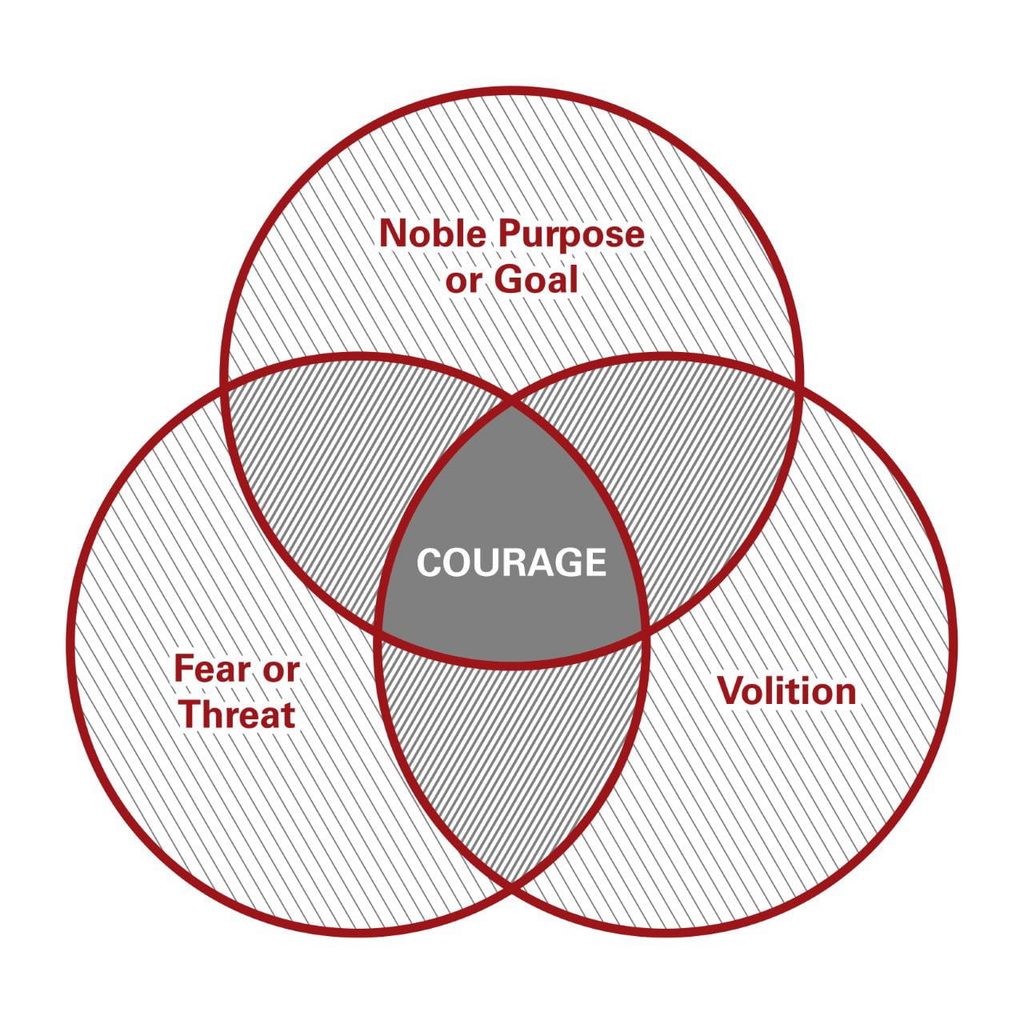

    I want to grow in my courage in the face of the uncertain. I have always believed, and will forever know, that love is God’s breath within us. That I am the universe experiencing itself through a human vessel. That God lives within me, and because of that, I am never truly alone or without access to the highest vibration of consciousness. These truths shape the way I think, act, and believe, and give me an unwavering faith that, whatever happens, I will be (more than) ok in the long run.  However, that doesn’t make me immune to the stress, discomfort, and unfamiliarity of true courage. There is still something deeply unsettling about believing I’m on the right path, or doing the right thing, when I have no “proof” to quiet the suspicion that maybe I’m wrong. 

    Maybe that’s what showbiz (life) is all about: trusting yourself enough to take the next step without knowing where your foot will land. And, somehow, it all webs back together. Faith, courage, uncertainty, control. Maybe all I can really do is control what I can and trust myself to handle the rest as it comes. I love those Venn diagrams!!
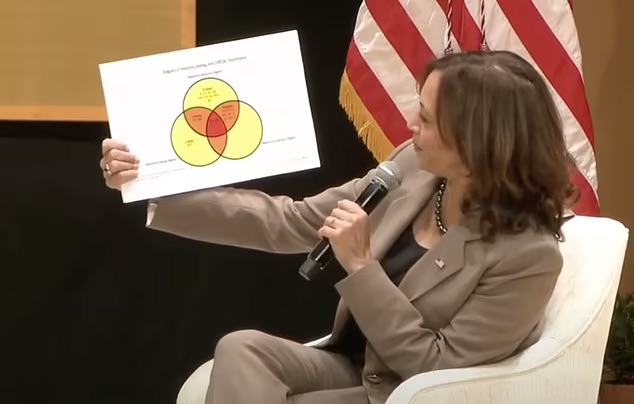
    And while we’re on this side of town, I want to spend a little more time with the difference between bravery and courage. Bravery is often instinctive, an outward response that doesn’t require much deliberation. Courage, however, is something more enduring: a deliberate choice to act even when fear, uncertainty, or discomfort tells you not to.

    I feel like I have pretty good bravery when the circumstances warrant it, especially when I don’t have much time to think myself out of something. But I want to get deeper in my courage bag in several areas of my life. I want courage to become as instinctual as doubt is.

    I want to be able to sit with difficult, scary, unfamiliar situations and experience less anxiety, less negative self-talk, less self-doubt, less of that lack mindset that creeps in when I’m forced to sit with adversity rather than attack it head-on. Bravery feels almost bullish to me. There’s something about the lack of time, the adrenaline, the urgency that can make action feel easier. But nah, lemme see bitches be courageous when they’ve had time to sit with it! When they’ve thought about every possible way it could go wrong and still decide to act. Courage in the face of rejection. Skepticism. Uncertainty.

    And like with any skill, you only get better by trying. As a recovering perfectionist, it can be difficult for me to accept that growth and progress aren’t always synonymous with my likely unattainable standard of perfection. My instinct is to practice repetitively and privately until I reach some arbitrary, unpredictable point that I decide is “safe.” Only then do I feel comfortable being witnessed in my vulnerability, my courage, and the ambiguous, messy middle of figuring something out. 

    But the older I get, the more I realize how much I hold myself back by sequestering my progress in private. I’ve been treating exposure as something I need to earn rather than something that might actually help me grow. There is something about being witnessed before I feel ready (the beginning mustard seed of this blog btw), about sitting in that discomfort and allowing myself to be imperfect in front of others, that creates a kind of growth no one man can access alone. The irony is that in trying to protect the process, I may be depriving myself of the very tension that would meaningfully move it forward. 

    If I allowed myself to be seen trying while I’m unsure, to be seen before everything is polished and manicured, I think that’s where I would experience the most growth and, ultimately, the most liberation.

    And I know this sounds inherently surface-level, almost aesthetic-focused, but vulnerability goes far beyond the physical realm. I have no problem being seen without makeup, or stepping outside in some bum ahh, wack ahh fit. That kind of vulnerability barely registers anymore. But what happens when what’s exposed isn’t my face or my body, but my uncertainty? Do I feel that same comfort and confidence when I’m doing something I’ve never done before and someone is watching? Do I feel that same confidence when I’m unsure of myself, my desires, or my fears, but choose honesty anyway? When I have no polished version of myself to hide behind?

    I hate to interrupt the pensive cliff-hanger we’ve arrived at, but the answer is no. In those moments, I can feel my confidence evaporate. And for what?!

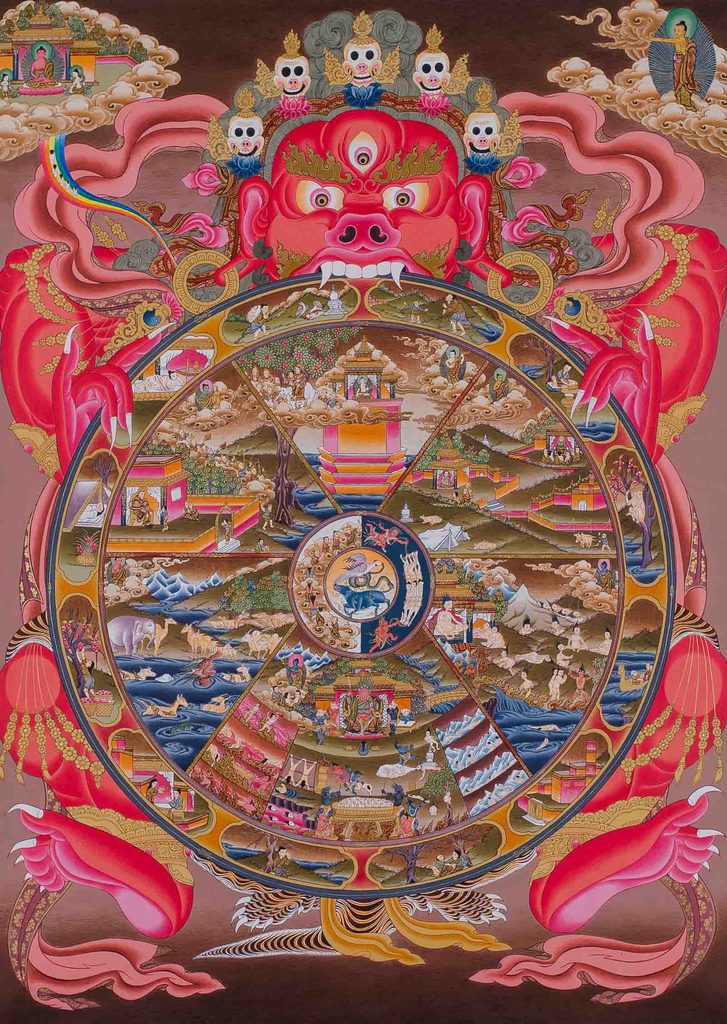
    There is far more to lose by clinging to control than there is to gain by choosing freedom. Kill the cop in your head! Freedom from anxiety, doubt, and fear is a lifelong practice, not a destination. Not many people “complete” that journey in a single lifetime. Maybe that’s the point. Maybe we wake up to the cycle of samsara only to realize that liberation was never about arriving somewhere, but about learning how to let go.
    What do I really gain from feeling in control if what I’m protecting is simply my comfort? At what point does the comfort become more costly than the discomfort I’m trying to avoid?

    I’m forcing myself to materialize that cost. To acknowledge that every time I retreat into what feels safe and familiar, I’m also making a choice about what I don’t get to experience. What I don’t get to learn. What I don’t get to discover. Staying comfortable has a real cost, and I’m beginning to understand that it may be the experiences and growth I keep postponing in exchange for the illusion of certainty.

    And again mama, this is where we meet right back at the start: with the realization that I am sometimes guilty of holding onto attachments simply because of the comfort they provide in the middle of this stream of impermanence that is the human experience. I don’t think the work is to eliminate that desire for control so much as to understand it. Find the root of that desire. Sit with it. Examine its properties, its potency, its hold over you. Then decide whether or not you’re courageous enough to consciously detach.

    Detachment doesn’t mean you stop caring or start moving nonchalantly (please, for the love of god, chalant if you feel the need!). It means caring enough to recognize what is yours to carry and what isn’t. It means caring without clinging. It means giving your time and energy to the parts of the equation you can actually influence, and letting the rest fall where it may.

    Surrender to the stream of impermanence and let go with grace. For nothing is owned, only borrowed :).
    Screenshot
  • AI Can Never Replace Pen & Pixel Graphics: A Visual History of Southern Rap

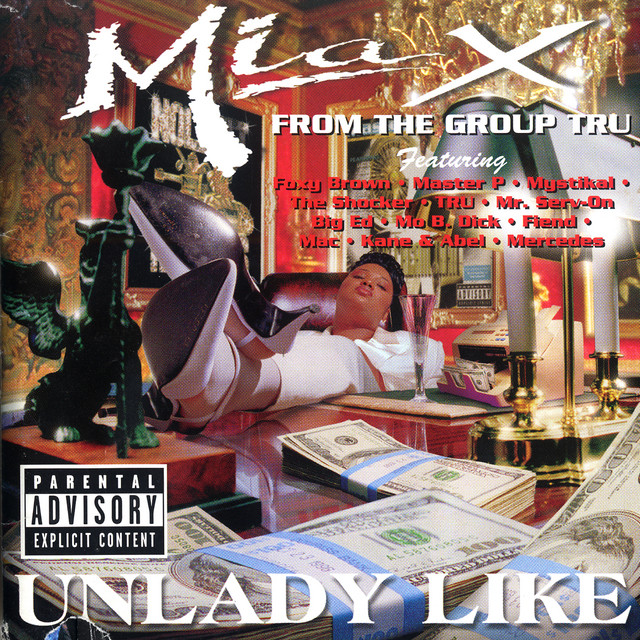
    Payback II – Mia X + Thank You – Mia X

    ^^One of the best female rappers to ever do it btw.

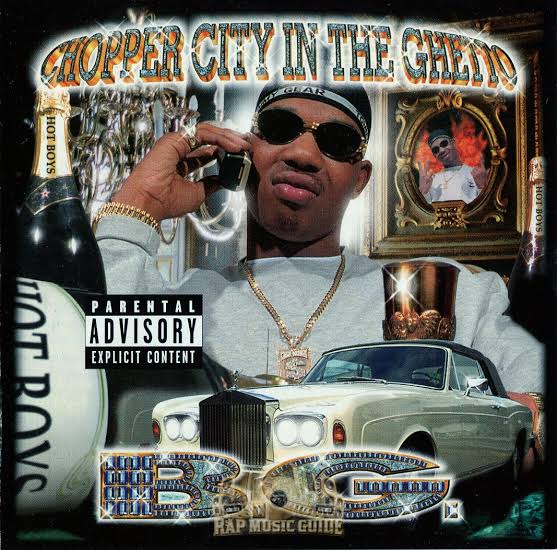
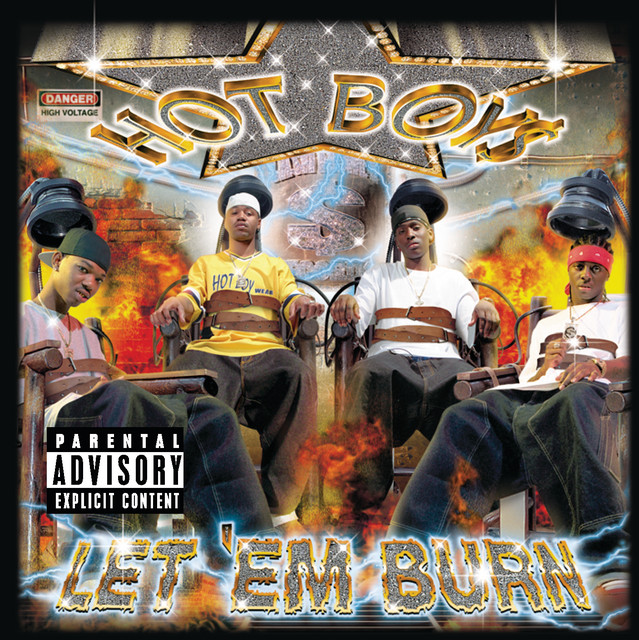
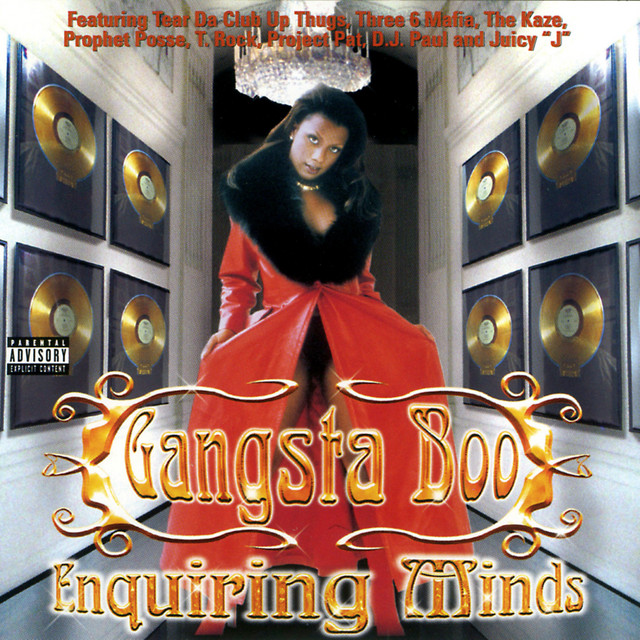
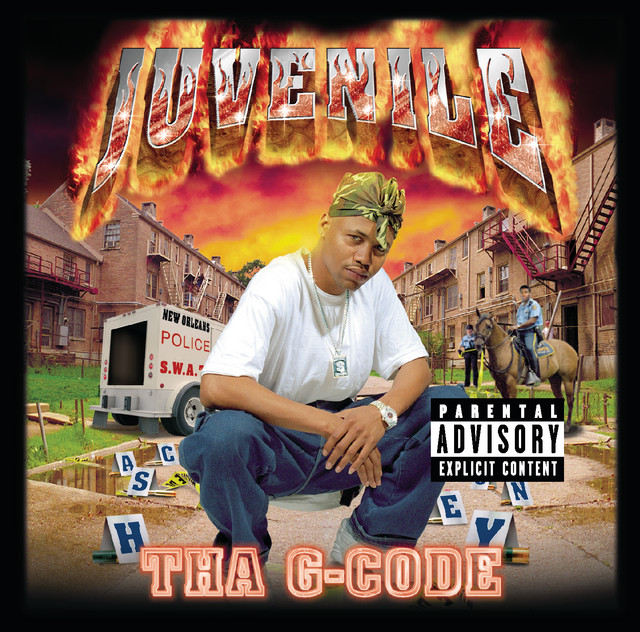
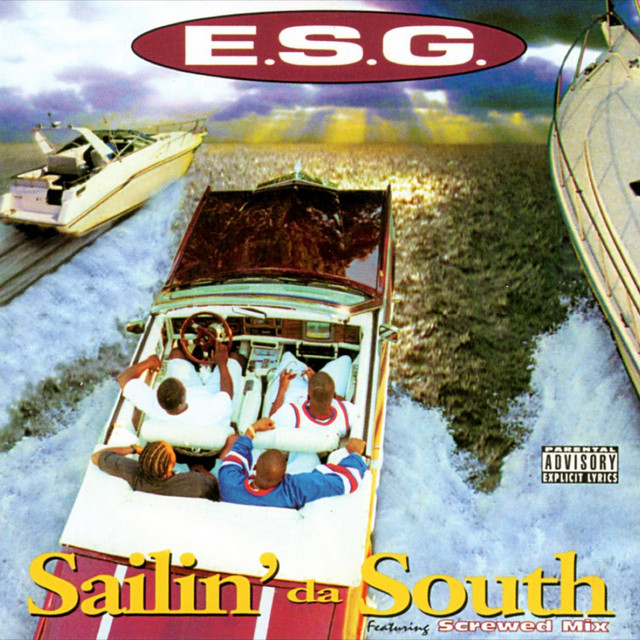
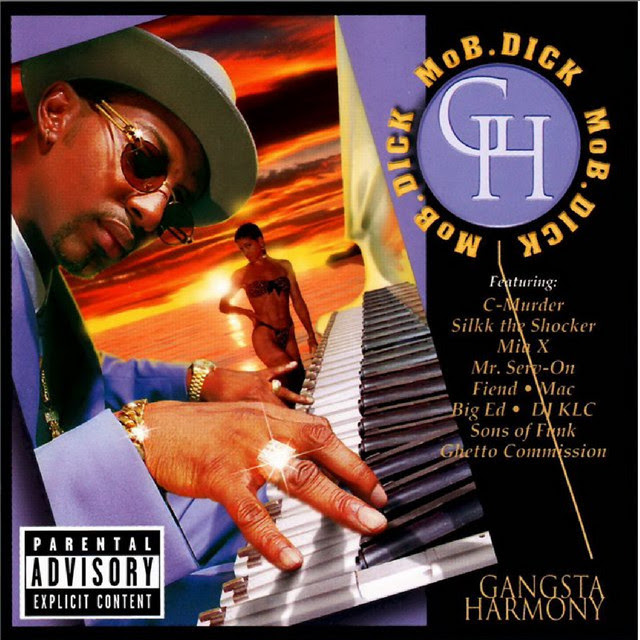
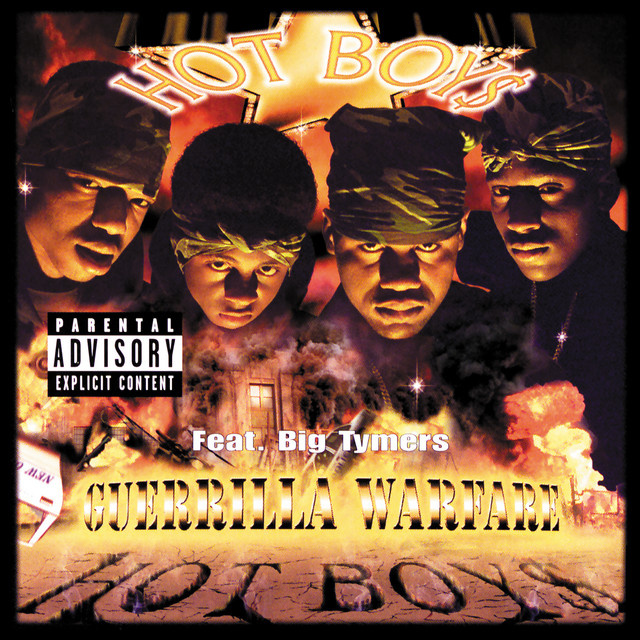
    In a time of (sensible and rational) fears around AI growing louder, especially when it comes to art, and digital art in particular, I wanted to take a moment to shout out some of the best people to ever do it in the rap game: Pen & Pixel Graphics. 

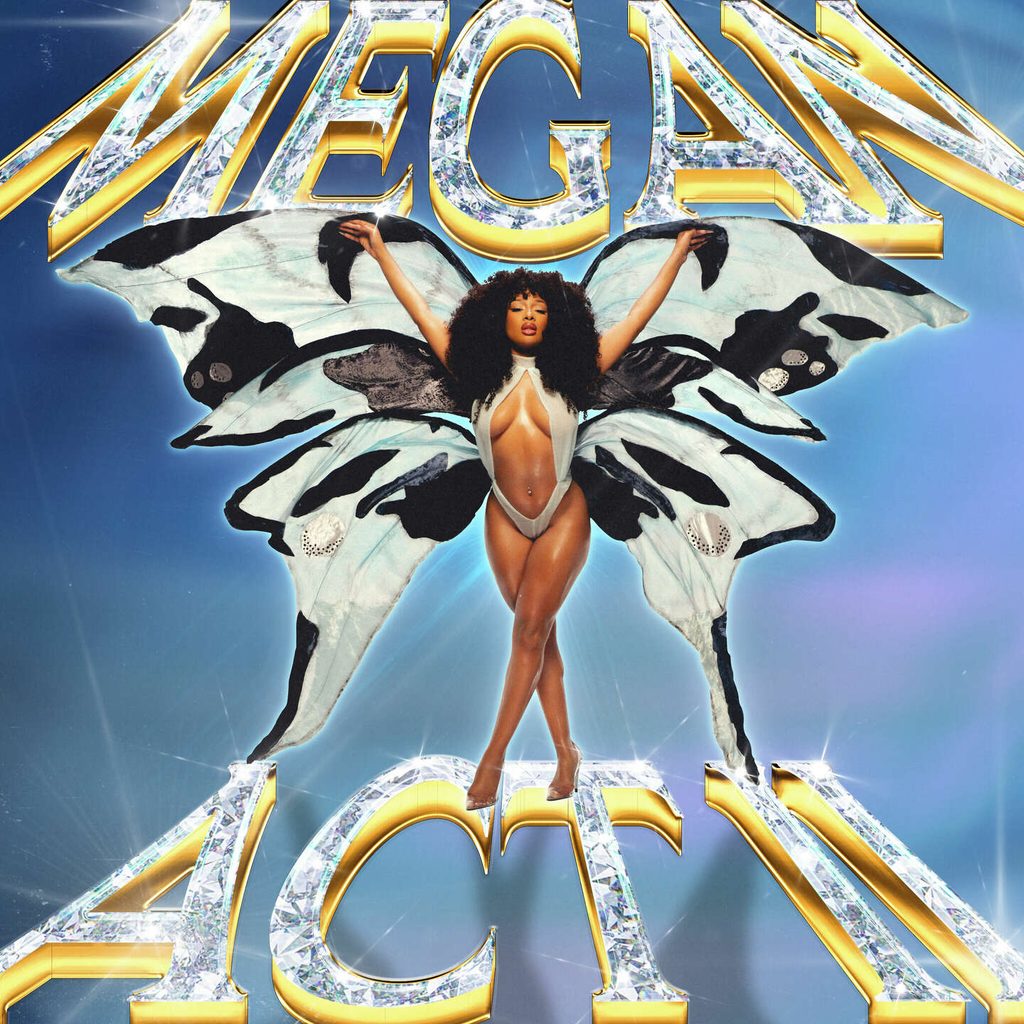
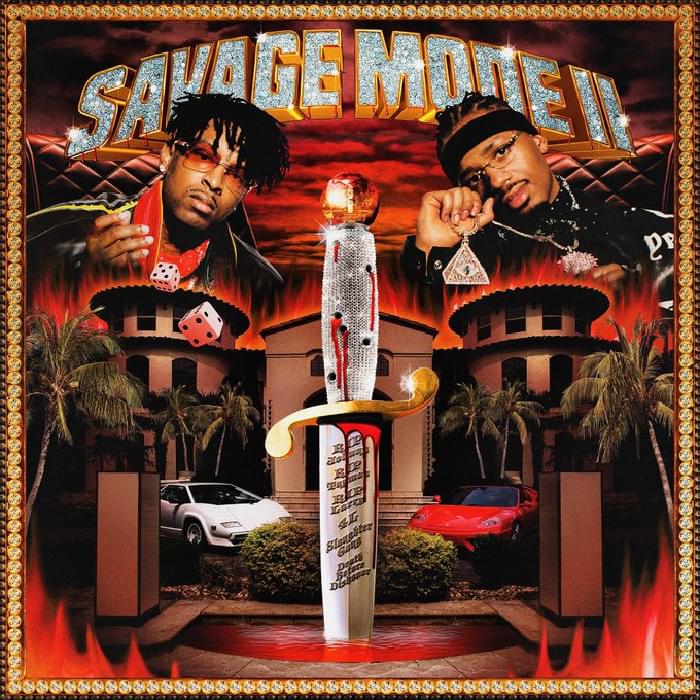
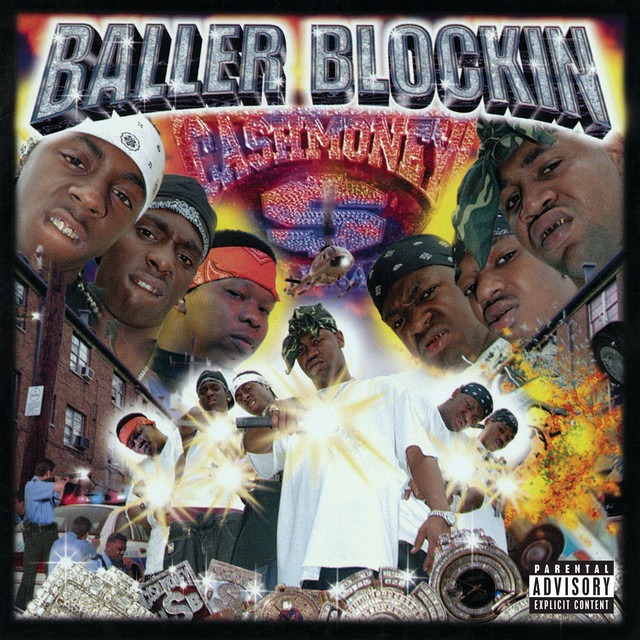
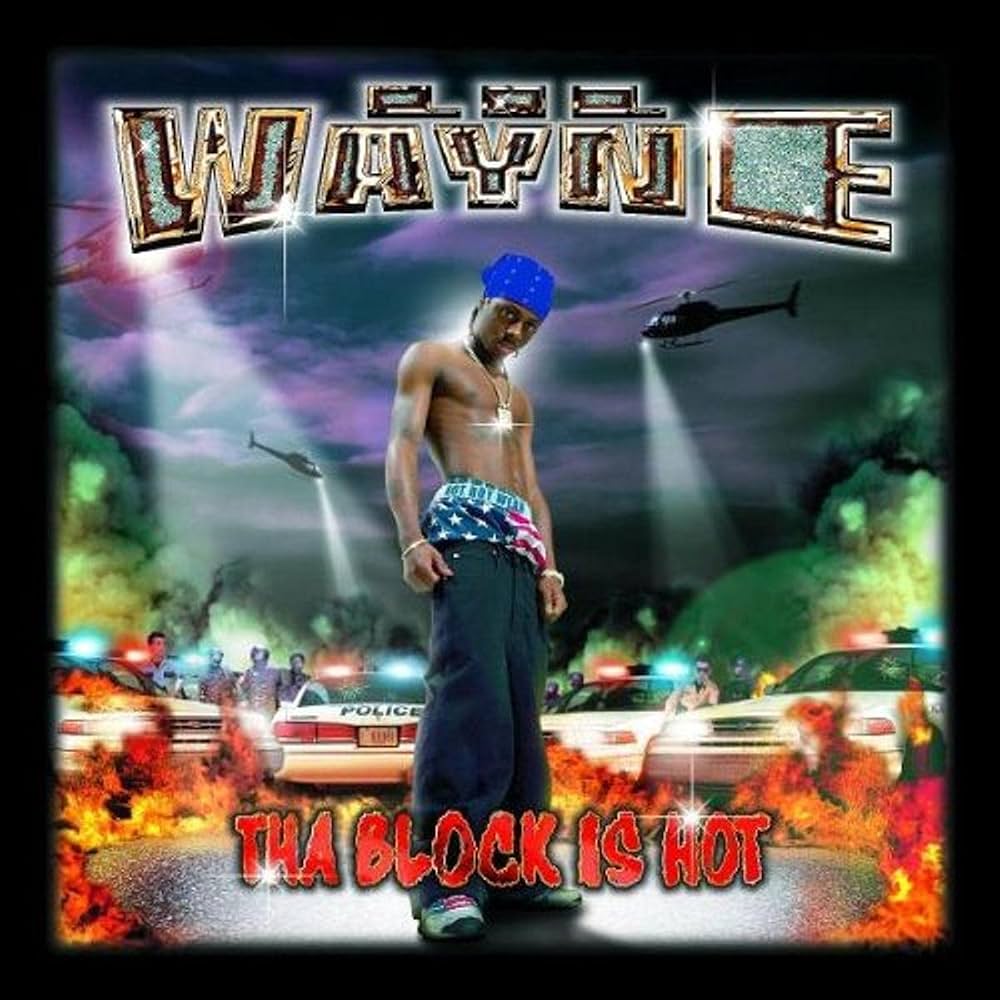
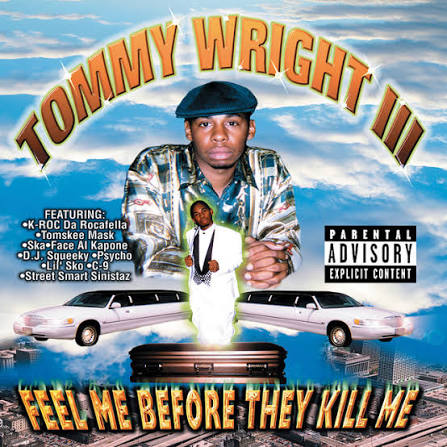
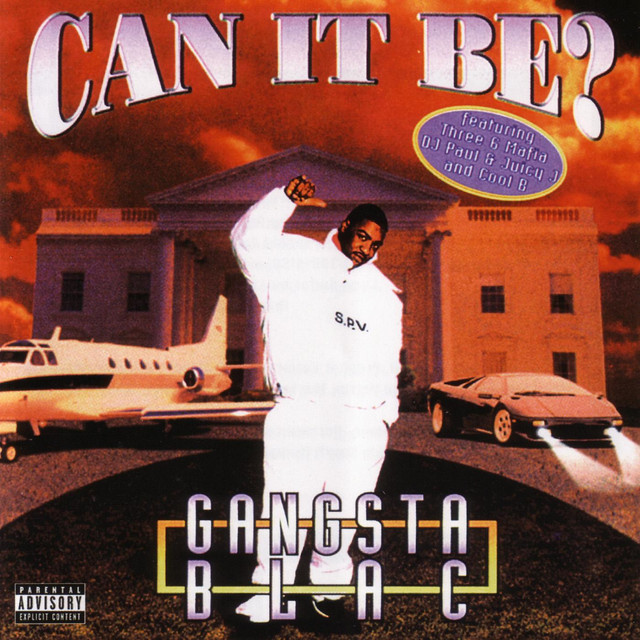
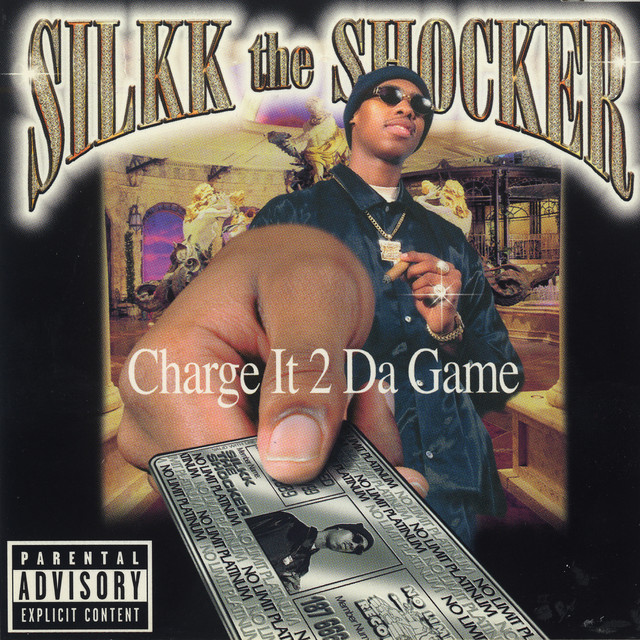
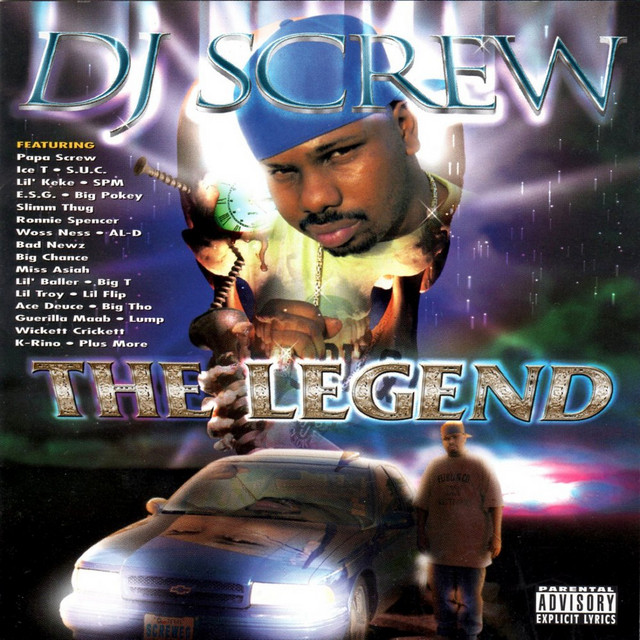
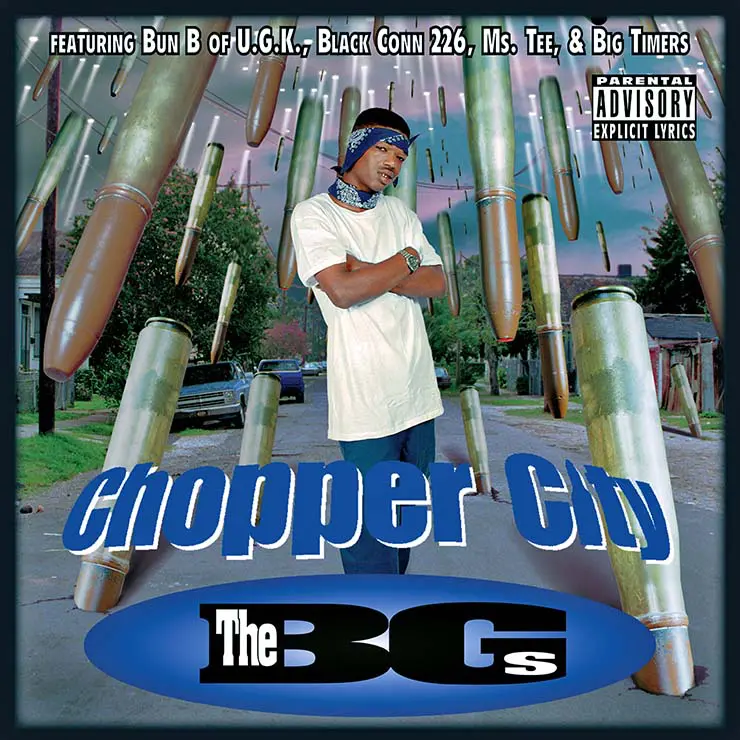
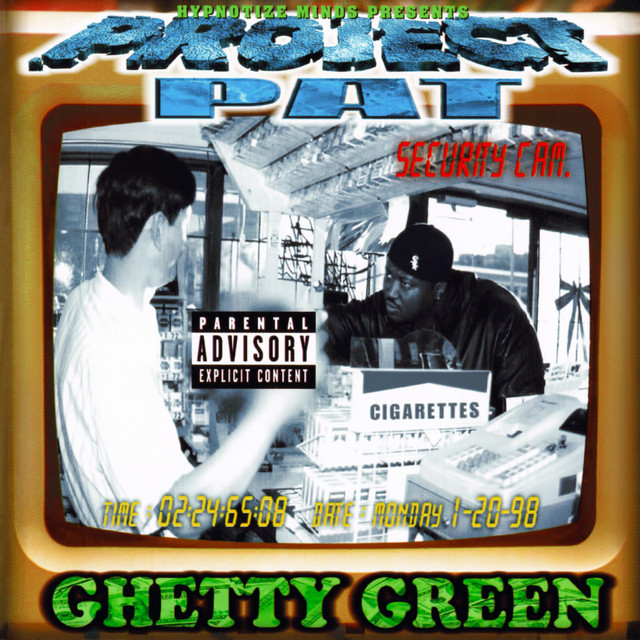
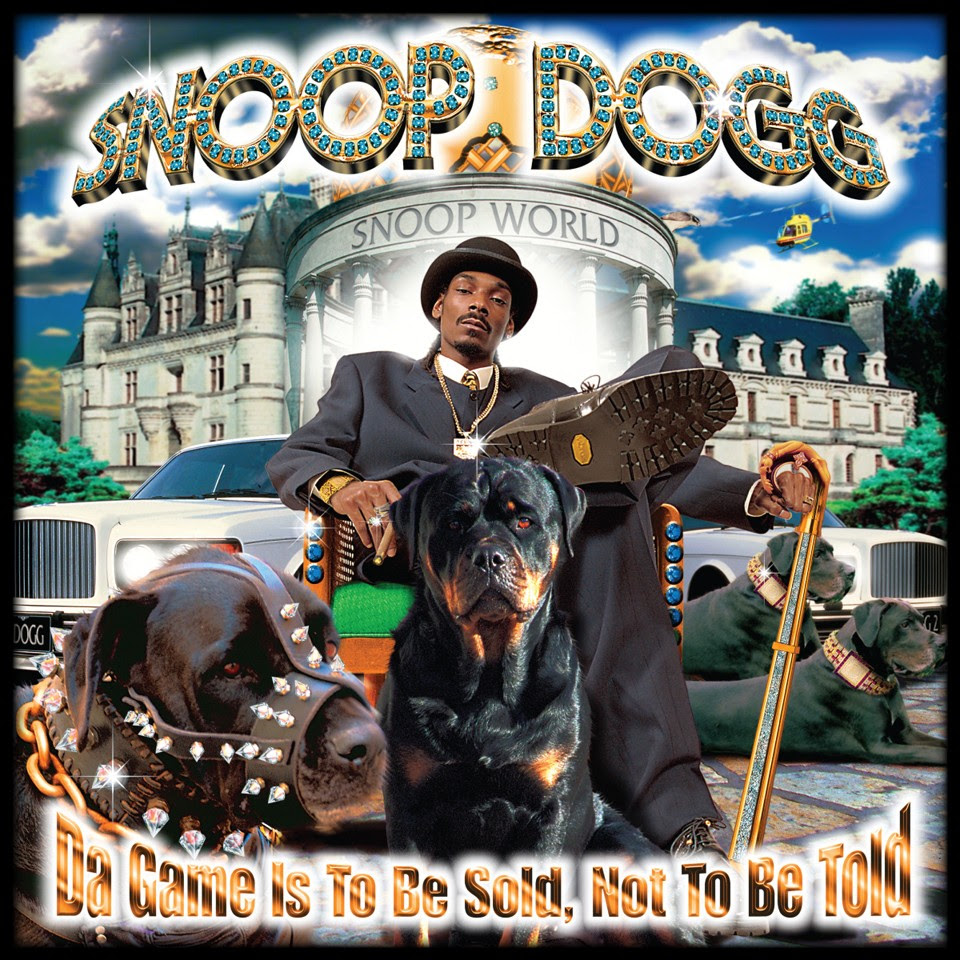
    You know the aesthetic, even if you don’t know the name. Maximalist compositions. Hyper-realistic collages. Grandiose, blinged-out, almost absurd 3D typography. Pen & Pixel had a way of turning visual excess into an art form. They made the impossible possible. Beyond album covers, they pushed digital art into places it had never been before, inspiring generations of artists and ideas that cannot be distilled into a prompt or replicated by a machine. 

    And that’s the thing AI can never recreate: imagination. 

    Pen & Pixel was a Houston-based graphic design firm started by two brothers, Shawn Brauch (art director) and Aaron Brauch (business + systems guy). They started the company from the dining room of their apartment, but Shawn’s background as a classically trained artist gave them something central to their process: a strong foundation in traditional hand skills and the ability to translate ideas onto paper before they ever touched a computer.

    Their formula was deceptively simple. They would sit down with a client, listen to the music, and immediately start throwing down sketches. Those preliminary sketches became the foundation for everything that followed. They informed the photography, the compositions, and eventually the digital work.

    Pen first, pixel second. 

    The brothers were early adopters of emerging technologies like Photoshop and SGI workstations (advanced 3D graphics and visualization software), eventually becoming beta testers for Adobe. They worked directly with the company through glitches and bugs, showing Adobe how they were using the software to create their work. (I just wanna pause here and wake up how legit you gotta be to use the cutting-edge technology so hard that the creator of said technology is on your line asking how you’re doing it?).

    Some of Pen & Pixel’s most career-defining clients were Cash Money Records and No Limit Records. The brothers became in-house designers for both labels, helping shape their visual identities and creating the now-iconic logos that became synonymous with Southern Hip-Hop.

    From there, their influence spread far beyond the South. As they began designing covers for artists all over the country, the Pen & Pixel aesthetic quickly became a visual language of its own. Their maximalist style inspired thousands of album covers over the decades that followed. With such a distinct visual identity, even a novice Hip-Hop fan can spot a Pen & Pixel (original or inspired) within seconds. 

    At the height of their success, the brothers had expanded well beyond music, working with household names like Ferrari, HBO, and the Houston Rockets. Pen & Pixel had effectively become a “special effects” house: the place to go when you wanted Photoshop pushed to its absolute limits, whether that meant retouching, compositing, or creating something that couldn’t exist elsewhere. 

    Pen & Pixel’s creative direction was integral to their clients’ visual success, especially during a time when major record labels weren’t paying much attention to what was happening down South. The majors had the money, and the money came with access to art direction. Smaller and underground artists? They had to hustle.

    By working in tandem with artists’ lived experiences and existing visual identities, the brothers helped cement a visual language built around ambition, excess, and possibility, one that represents the limitless philosophy of the American Dream through the lens of Hip-Hop. 

    One component that made their style so distinct was their refusal to rely on stock images to create the digital worlds they conceived. Rather, their team orchestrated custom photoshoots, photographing items like bullets, luxury cars, women, and jewelry individually and from unusual angles to build their own archive of assets. They weren’t just pulling images together; they were creating the raw materials for an entire visual universe. 

    But perhaps nothing became more synonymous with Pen & Pixel than their 3D bling typography. Diamond-encrusted, platinum- and gold-textured fonts became a defining element of their aesthetic. A style that still lives on in album cover art (and much more, tbh) today. 

    Over the course of their 11-year (legendary) run, Pen & Pixel created nearly 20,000 album covers, helping define the visual identity of Southern Hip-Hop before their influence eventually spread across the genre as a whole. Their maximalist, hyper-realistic approach to Photoshop and digital collage became one of the defining aesthetics of ’90s and 2000s Hip-Hop.

    Sadly, in 2003, Pen & Pixel closed their doors due to the rise of Napster (a music file-sharing service) and (lowkey surprisingly) the attacks of September 11. Artists became reluctant to fly to Houston to review artwork for an audience that may not even physically see it.

     Not long after, the aesthetic itself began to fall out of favor. The excess of the ‘90s gave way to the minimalism of the mid-2000s, with the rise of the iPod era of digital music changing not only how we listened to music, but how we visualized it. Nearly 20 years after closing their doors, Pen & Pixel came out of retirement to design the iconic 2020 album cover for 21 Savage and Metro Boomin’s Savage Mode II.

    Lest us not overlook the unwavering confidence and trust the brothers had in themselves, their clients, and their vision. Confidence that gave them the freedom to ignore the disapproval of critics and peers alike. They ignored the traditional rules of composition and embraced an excessively comical use of digital effects. Critics have since come around to recontextualize the style as a deliberate artistic choice, but that validation came after Pen & Pixel had already changed the landscape of album cover art. At the time, people largely understood their work through its association with gangster rap rather than recognizing the artistry, innovation, and pioneering digital skills behind it. 

    It’s at this exact realization that we can revisit the intellectual limits of AI. Experimentation, confidence, and fearless audacity (human breed, too) all contributed to the company’s success, eventually turning their style into a blueprint that would influence decades of visual culture beyond music, permeating spaces like fashion and archival art. 

    You can teach a computer a skill. You can code a computer to mimic a style. But you cannot imitate human-generated swag!!

    Art becomes multidimensional when it converges with human experience. The technique can be replicated. The conditions that produced the art cannot. 

    I’ve gathered some of my favorite Pen & Pixel album covers for you to peruse at your leisure, but consider this merely an appetizer. The selection I’ve chosen could never do justice to the full breadth of their boundless creativity; therefore, I highly recommend exploring the complete archive of their work through: https://southernrapalbums.com/

  • Keeping Child-Like Wonder in the Pilot’s Seat When Adulthood Wants to Fly

    That’s When Ya Lost (feat. Pep Love) – Souls of Mischief, Pep Love

    I was at the dentist today, and they just built this brand-new, bussdown, two-story building. So naturally, I grazed the newly minted children’s entertainment and came across a really good children’s book about a kid who collected and categorized words that interested him as a hobby (linguistic asf tbh). Then one day, the words became disorganized and were blown into the wind across his community, giving the gift of language to the people. The premise was fun and fresh, but one of the pages stuck with me when it read, “The more words he knew, the more clearly he could share with the world what he was thinking, feeling, and dreaming.”

    I legitca simpson just got back from the dentist about 2 hrs ago, and I’m sick to my stomach that I didn’t pay more attention to the author or the book’s title.

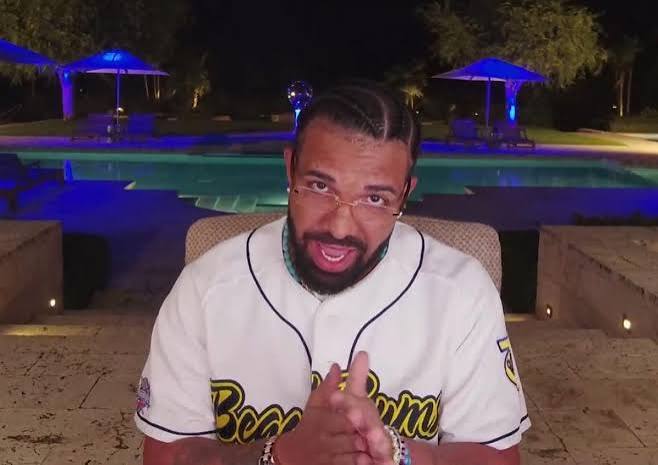
    [Google break cuz not knowing the details was driving me mad fam *Drake live stream with the buffs on accent]

    Back with some fresh particulars on the case. The book is called The Word Collector by Peter H. Reynolds, and the main character’s name is Jerome.

    Continuing on a new thread, I just wanna detour off the main road about being a children’s book author. I fully understand how much whimsy and *insert word for when you have to be really pliable and non-rigid with your thoughts and creativity (fluid doesn’t quite capture it), and be able to maintain that featherweight focus with your creative energy facilitating direction while keeping childlike wonder in the pilot’s seat as well (need to personally strengthen this skill). Whatever the word for that explanation is, you have to cultivate and harness that so well to take such large ideas, ideas that perplex adults, and break them down for a person under 8 to fully grasp and engage with. Both of those skills are mad impressive.

    The concept of my words limiting my ability to express myself is something I still get frustrated by to this day. I always think of my old yoga professor (s/o Joey) when he credited a German philosopher (or maybe Dutch, idk, in that general area of Europe) with saying, “The limits of my language are the limits of my world.” Hearing that for the first time was such a stab-the-blade-and-twist-it moment. That one phrase had encapsulated years of frustration in my body and anguish in my mind over not being able to use my main form of expression (verbal communication) to convey whatever I was feeling.

    Nietzsche also comments on this in his book On Truth and Untruth, asking, “Is language the full and adequate expression of all realities?” I respected the question being asked in the prelimary stage of the book because I was like, DUDE NO!! The gravity of art and self-expression is so colassal because if you feel emotions deeply, or emotions in general, at somepoint, you will fail to find the words to express how you feel.

    Communication is copiously stressed in childhood because that’s obvi when your synapses are firing fresh outta the box, and I respect the severity of that grind. However, I would argue that we need a push on that latter end as adults to continue expanding our vocabulary and communication skills. Language and communication are lifelong functions that impact how you navigate and live your life until it’s over. Since entering adulthood, it’s always perplexed me because it’s not like you hit 18, 25, 30, or whatever arbitrary number one could choose, and you just max out on communication improvement capabilities. Those are active muscles and skills that you need to continue to use, cultivate, and challenge.

    Really rode around the bend on that detour; nonetheless, I had a great read by Mr. Reynolds. Sidenote: I got a kick out of illustration style as well. Descriptive and colorful, but still conceptually manageable. Love when something grandly minuscule prompts me to think like this. Shoutout that book fr. Proud of myself for investing the time and infrastructure into my creativity. It’s always easier said than done.

    Action Items for Today:

    1. Seek daily opportunities to keep child-like wonder and whimsy in the pilot seat while navigating adult-level difficulties.
    2. Interact with or read at least one piece of children’s content a week.

  • What Is Fear/Fuck It, I’m Finna Start a Blog

    What has contributed most to my hesitation to start this blog is fear. An emotion as ancient as human existence. Fear of being perceived, fear of being judged or misunderstood, and the fear of stepping into uncharted waters. But I’ve decided that I don’t want to live my life behind a paywall of fear, with the only cost of entry being discomfort. 

    I’ve been faced with fear a fair amount in my lifetime. Becoming so familiar with it has led me to examine it whenever it makes itself at home in my heart or body. There are two types of fear that visit me:

    The core difference between the two is that the second type of fear is densely cloaked in doubt. Doubt is the lock to the chains that keep my ideas and dreams bound to my lowest self. Wherever doubt is present, I find fear lingering not too far behind, conditioning my mind to believe that doing something new and unknown is dangerous; therefore, it should be avoided. And what’s ironic is that it’s the second type of fear that is ultimately harmless. Logically, it seems that I would be more hesitant about the type of fear that’s so ultimate, so terminal, but I find I’m more afraid of the what-ifs than what’s definite.

    However, I find an incongruity in my thought process, as it implies that the unknown is inherently bad. There is certainly an amount of objective truth in “ignorance is bliss,” and I mercifully thank the powers above that I am unbeknownst to some of the worst days of my life. Yet, some of my best days are ahead of me as well, and I also don’t know what those entail either.

    Seeing doubt-veiled fear intrinsically tied to a negative outcome limits not only my ability to show myself what I am capable of, but also my subconscious belief in myself. I view subconscious belief as the most powerful level of self-belief. So why would I want to feed into the self-sabotaging theory that fear of the unknown is mutually exclusive with self-doubt?

    Therefore, I’ve started a blog as fuck!! I’m learning as I go, but the the 3 definite things about mewwrites.it.com are:

    I’m writing exactly as I speak (and think, for that matter). There’s never going to be a predetermined format or length, and I will only censor myself to the extent it implicates the identities of others. Apart from that, I’m allowing myself the grace to figure it out while I do it. Ready isn’t a feeling, it’s a decision. I have so much discomfort surrounding this approach, but I think it’s what will suit me best in the long run. It’s like those videos when they throw babies into pools, and the baby is splashin’ around, but eventually turns on their back, crying, and starts floating (how it feels to do anything new in your 20s, btw).

    There’s so much I don’t know about starting a blog, publishing my writing consistently, or fuck dude, even life itself. However, I do know that I have so many thoughts and opinions that are perpetually being lost to the ether of fallen creativity, and I am the only one who can save them from that fate! Here’s to not letting the lifespan of my thoughts be limited to the time they occupy on my lips. Looking forward to decalcifying the atrophied mental muscles of writing :)).