Set Adrift On Memory Bliss – P.M. Dawn + Setting Sun / High Tide – Stennes
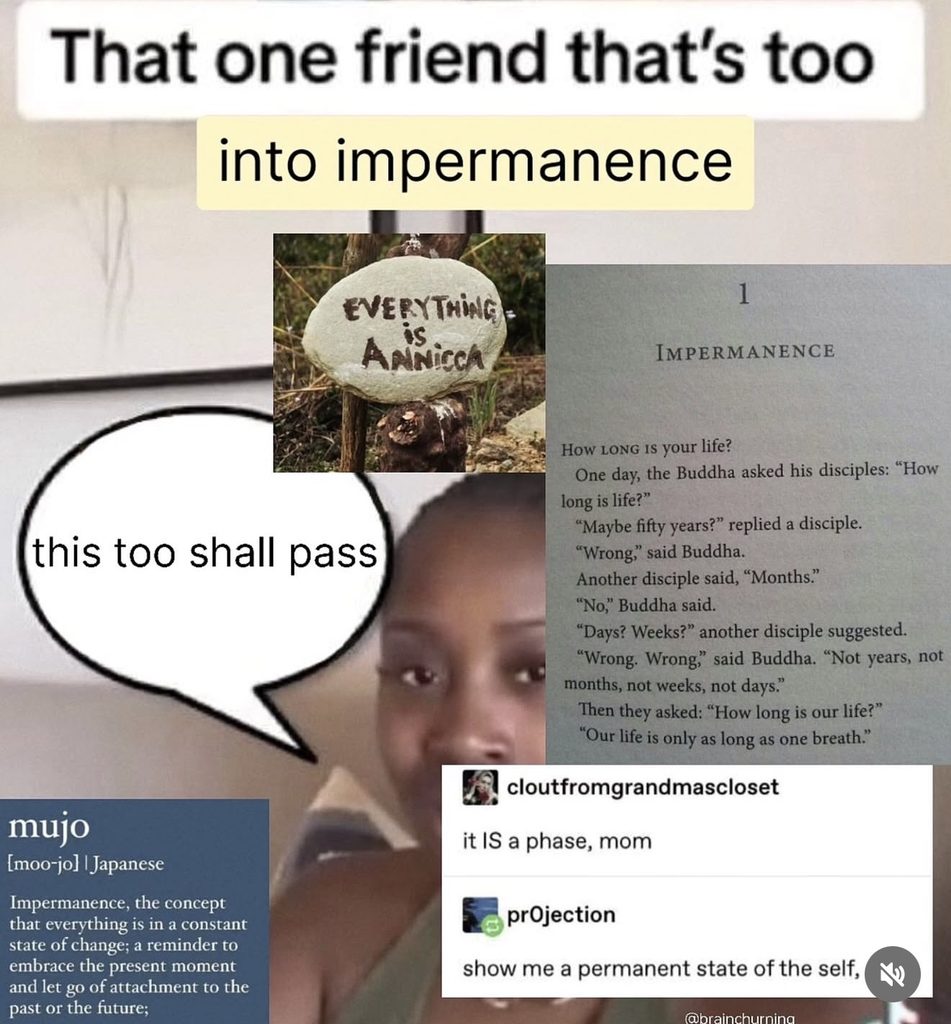
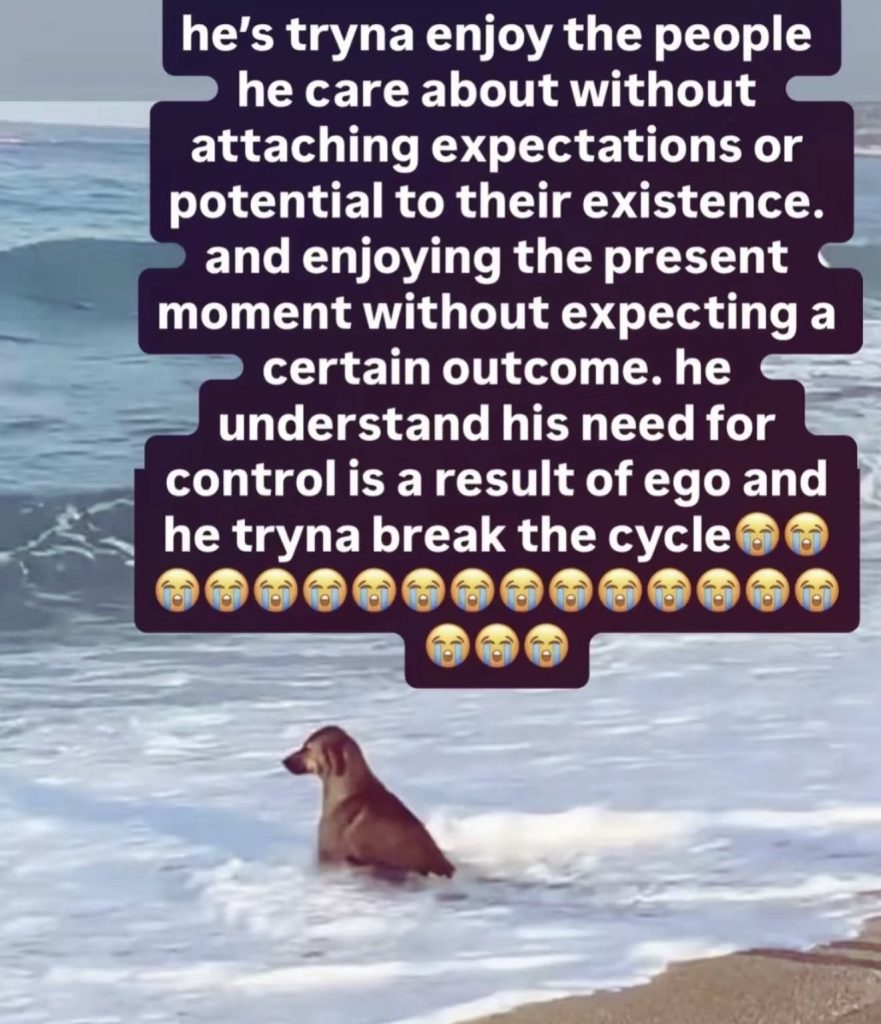
I’ve been percolating on the big burner about how much detachment is inherently baked into the human experience (especially in your twenties). However, I not only need to become okay with this forced detachment outside my control,I also need to actively detach in my conscious experience as well (awesome, no worries love!!). It’s so simple it’s deceptive. Attachment is the root of all suffering. Therefore, to end suffering, end attachment. Easy as that, right? But GAH DAMN it feels so good to attach (until it doesn’t)! The illusory facade of “having control” feeds my ego and quiets my anxiety, creating a fragile sense of security. It isn’t until I’m inevitably reminded by forces beyond my control just how tightly I’ve been trying to grip grains of sand. For a feeling to carry such comforting weight, its undoing reveals just how fragile that comfort had always been.
After all, “control” offers little more than the illusion of something tangible, something within my grasp. And sometimes, that illusion is comforting enough to keep me passive, causing me to overlook opportunities to expand and explore simply because they feel unfamiliar and vulnerable. I consider myself an honest person, even forthcoming, but I realize I don’t put myself in many vulnerable situations. And when I do, it’s on my terms (with people I trust, in environments I’m familiar with, etc). And I’m ready to wake up how that’s holding me back. I find it more natural to be completely vulnerable with myself, but I often struggle to elicit that same level of vulnerability when there are more variables outside of my immediate control.
^^That being said, I think many people struggle to be vulnerable with others on such a revealing and consequential level. I don’t think that struggle is unique to me. But I do think it holds us back collectively. When we withhold vulnerability from one another, we also deny ourselves the intimacy, understanding, and possibility that can only exist when we allow ourselves to be fully seen. Vulnerability within ambiguity. Still unzipping the skin from my bones, fearless in the face of the consequences of my nakedness, despite the unknown, the uncertain, the unfamiliar. That, to me, is true courage.
Because what is courage when the outcome is already somewhat assured? Whether that guarantee comes in the form of something vague, like a premonition, or something concrete and tangible. Courage becomes less consequential when there is reason to believe you will land where you intended. I think true courage lives in the possibility that you won’t. In choosing to reveal yourself anyway, without knowing whether you’ll be received, understood, or changed by what comes next.
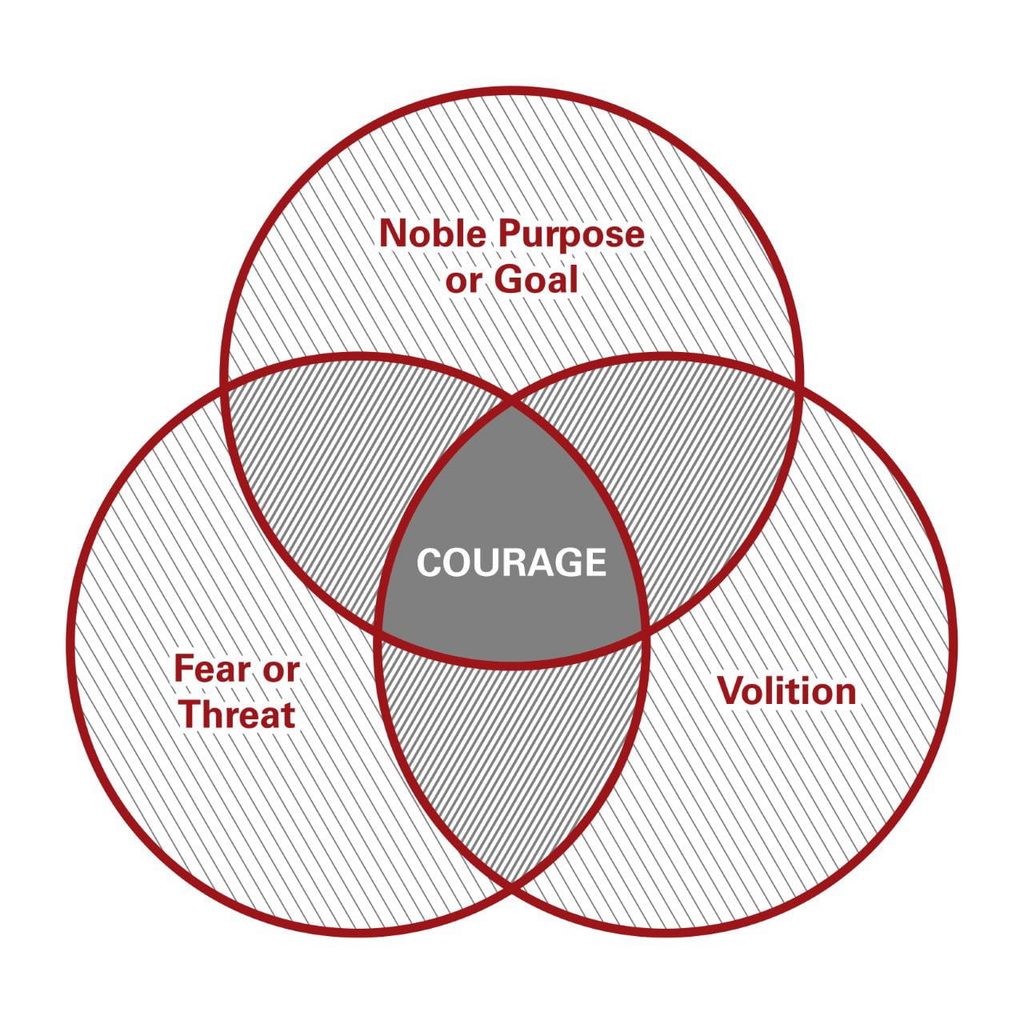
I want to grow in my courage in the face of the uncertain. I have always believed, and will forever know, that love is God’s breath within us. That I am the universe experiencing itself through a human vessel. That God lives within me, and because of that, I am never truly alone or without access to the highest vibration of consciousness. These truths shape the way I think, act, and believe, and give me an unwavering faith that, whatever happens, I will be (more than) ok in the long run. However, that doesn’t make me immune to the stress, discomfort, and unfamiliarity of true courage. There is still something deeply unsettling about believing I’m on the right path, or doing the right thing, when I have no “proof” to quiet the suspicion that maybe I’m wrong.
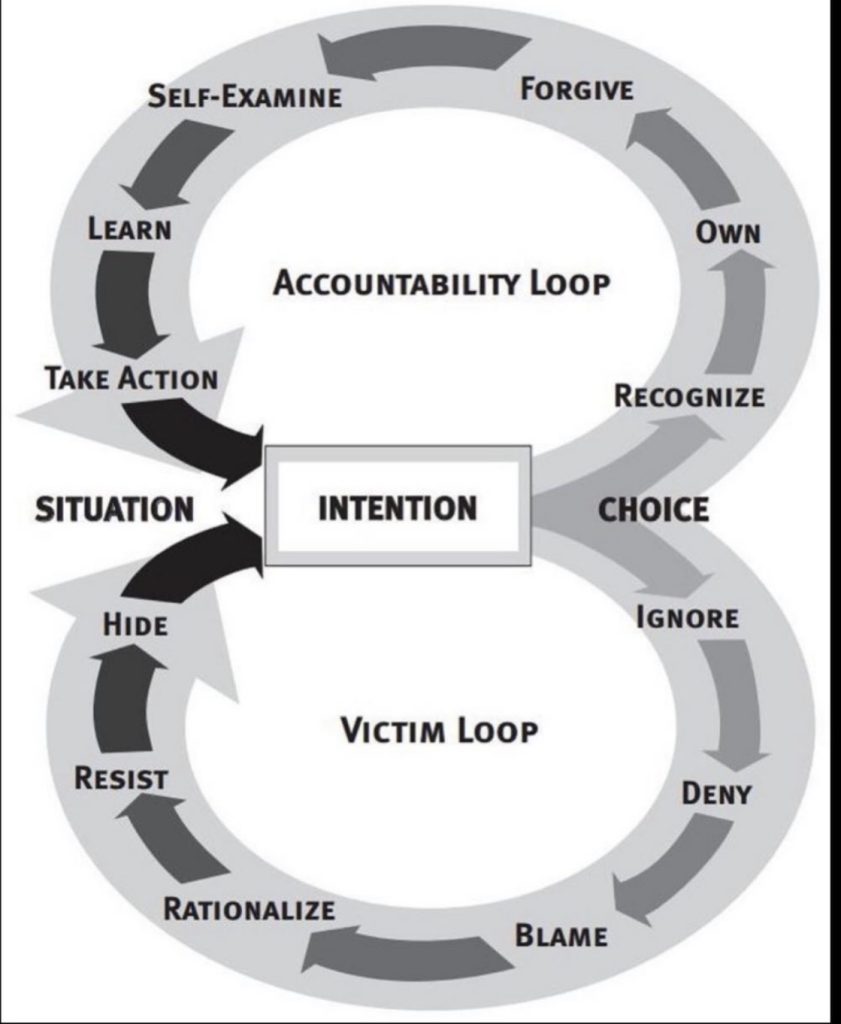
Maybe that’s what showbiz (life) is all about: trusting yourself enough to take the next step without knowing where your foot will land. And, somehow, it all webs back together. Faith, courage, uncertainty, control. Maybe all I can really do is control what I can and trust myself to handle the rest as it comes. I love those Venn diagrams!!
And while we’re on this side of town, I want to spend a little more time with the difference between bravery and courage. Bravery is often instinctive, an outward response that doesn’t require much deliberation. Courage, however, is something more enduring: a deliberate choice to act even when fear, uncertainty, or discomfort tells you not to.
I feel like I have pretty good bravery when the circumstances warrant it, especially when I don’t have much time to think myself out of something. But I want to get deeper in my courage bag in several areas of my life. I want courage to become as instinctual as doubt is.
I want to be able to sit with difficult, scary, unfamiliar situations and experience less anxiety, less negative self-talk, less self-doubt, less of that lack mindset that creeps in when I’m forced to sit with adversity rather than attack it head-on. Bravery feels almost bullish to me. There’s something about the lack of time, the adrenaline, the urgency that can make action feel easier. But nah, lemme see bitches be courageous when they’ve had time to sit with it! When they’ve thought about every possible way it could go wrong and still decide to act. Courage in the face of rejection. Skepticism. Uncertainty.
And like with any skill, you only get better by trying. As a recovering perfectionist, it can be difficult for me to accept that growth and progress aren’t always synonymous with my likely unattainable standard of perfection. My instinct is to practice repetitively and privately until I reach some arbitrary, unpredictable point that I decide is “safe.” Only then do I feel comfortable being witnessed in my vulnerability, my courage, and the ambiguous, messy middle of figuring something out.
But the older I get, the more I realize how much I hold myself back by sequestering my progress in private. I’ve been treating exposure as something I need to earn rather than something that might actually help me grow. There is something about being witnessed before I feel ready (the beginning mustard seed of this blog btw), about sitting in that discomfort and allowing myself to be imperfect in front of others, that creates a kind of growth no one man can access alone. The irony is that in trying to protect the process, I may be depriving myself of the very tension that would meaningfully move it forward.
If I allowed myself to be seen trying while I’m unsure, to be seen before everything is polished and manicured, I think that’s where I would experience the most growth and, ultimately, the most liberation.
And I know this sounds inherently surface-level, almost aesthetic-focused, but vulnerability goes far beyond the physical realm. I have no problem being seen without makeup, or stepping outside in some bum ahh, wack ahh fit. That kind of vulnerability barely registers anymore. But what happens when what’s exposed isn’t my face or my body, but my uncertainty? Do I feel that same comfort and confidence when I’m doing something I’ve never done before and someone is watching? Do I feel that same confidence when I’m unsure of myself, my desires, or my fears, but choose honesty anyway? When I have no polished version of myself to hide behind?
I hate to interrupt the pensive cliff-hanger we’ve arrived at, but the answer is no. In those moments, I can feel my confidence evaporate. And for what?!
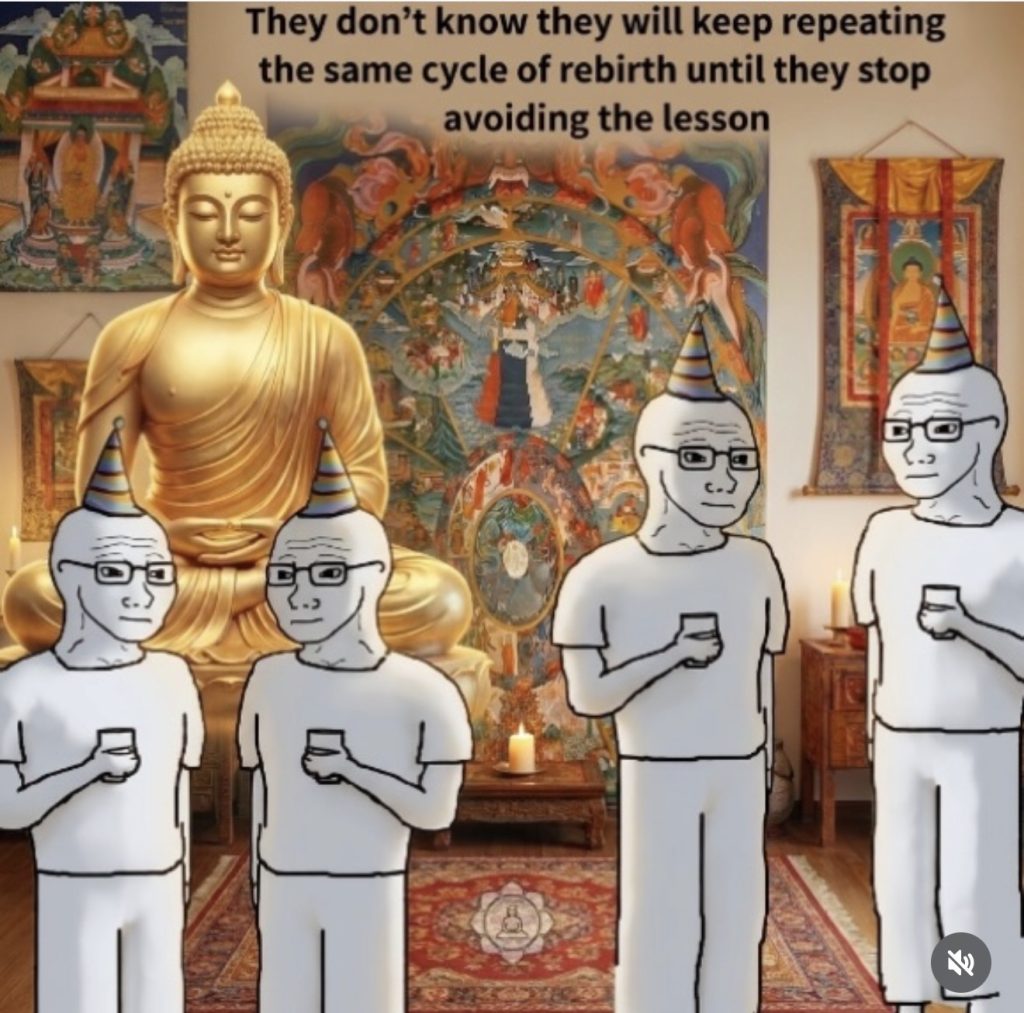
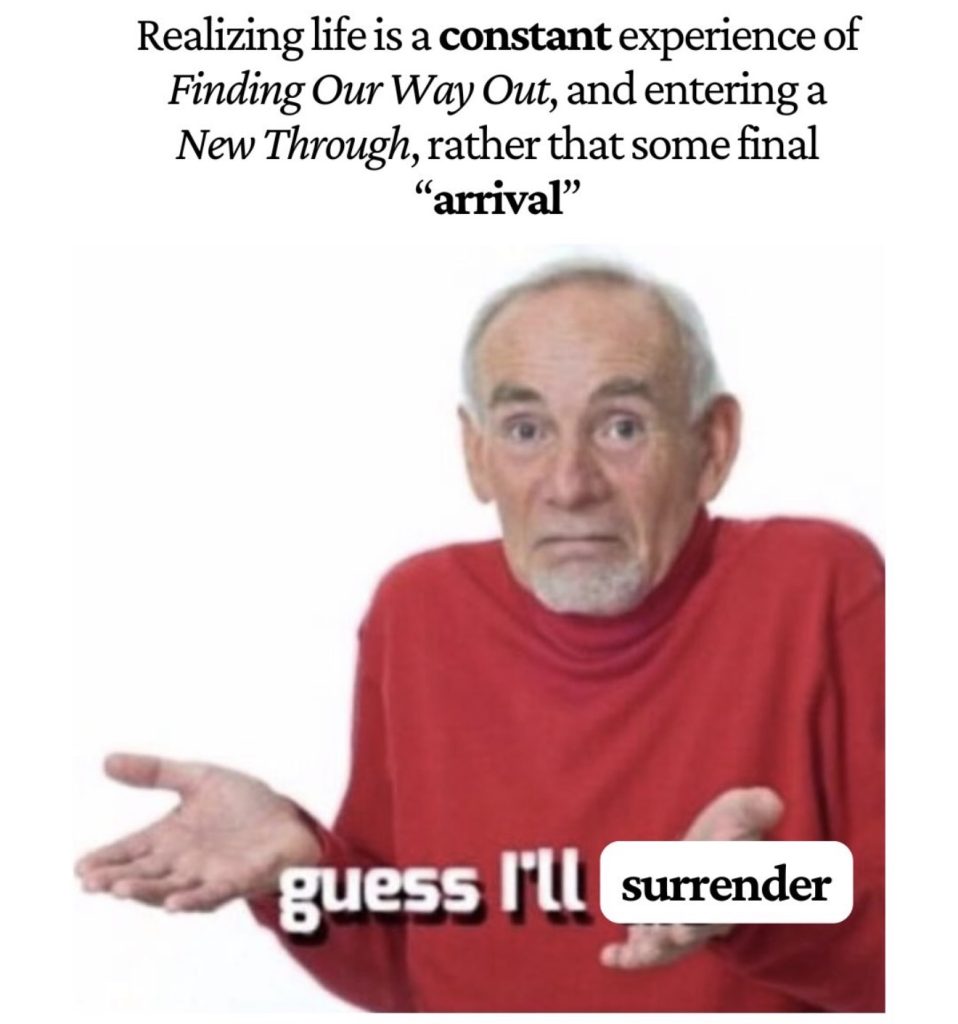
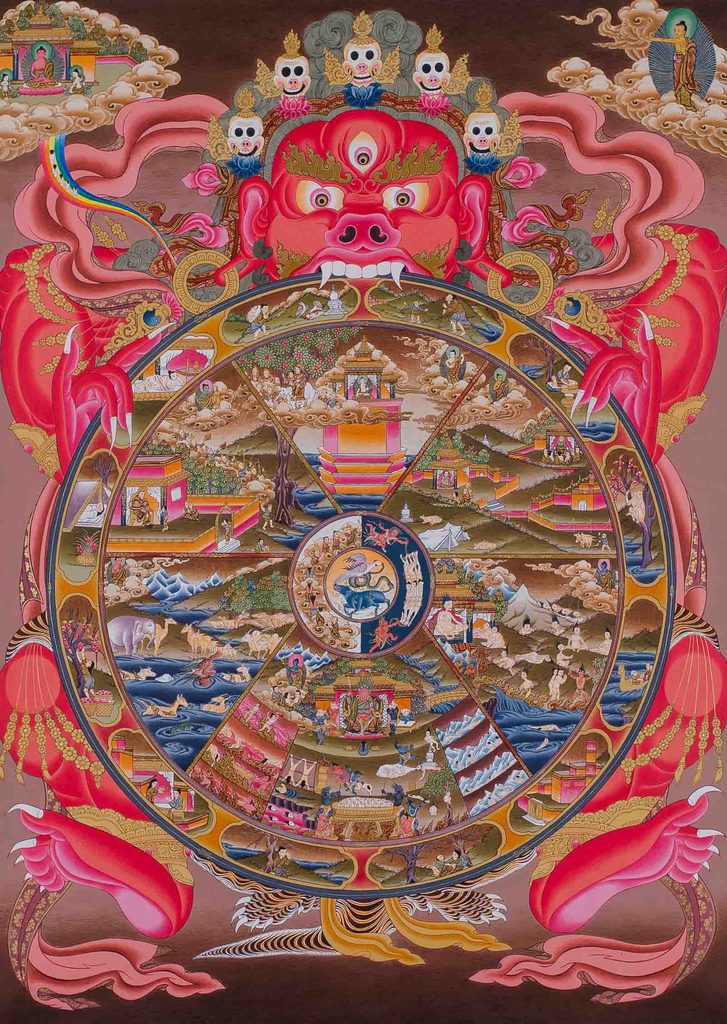
There is far more to lose by clinging to control than there is to gain by choosing freedom. Kill the cop in your head! Freedom from anxiety, doubt, and fear is a lifelong practice, not a destination. Not many people “complete” that journey in a single lifetime. Maybe that’s the point. Maybe we wake up to the cycle of samsara only to realize that liberation was never about arriving somewhere, but about learning how to let go.
What do I really gain from feeling in control if what I’m protecting is simply my comfort? At what point does the comfort become more costly than the discomfort I’m trying to avoid?
I’m forcing myself to materialize that cost. To acknowledge that every time I retreat into what feels safe and familiar, I’m also making a choice about what I don’t get to experience. What I don’t get to learn. What I don’t get to discover. Staying comfortable has a real cost, and I’m beginning to understand that it may be the experiences and growth I keep postponing in exchange for the illusion of certainty.
And again mama, this is where we meet right back at the start: with the realization that I am sometimes guilty of holding onto attachments simply because of the comfort they provide in the middle of this stream of impermanence that is the human experience. I don’t think the work is to eliminate that desire for control so much as to understand it. Find the root of that desire. Sit with it. Examine its properties, its potency, its hold over you. Then decide whether or not you’re courageous enough to consciously detach.
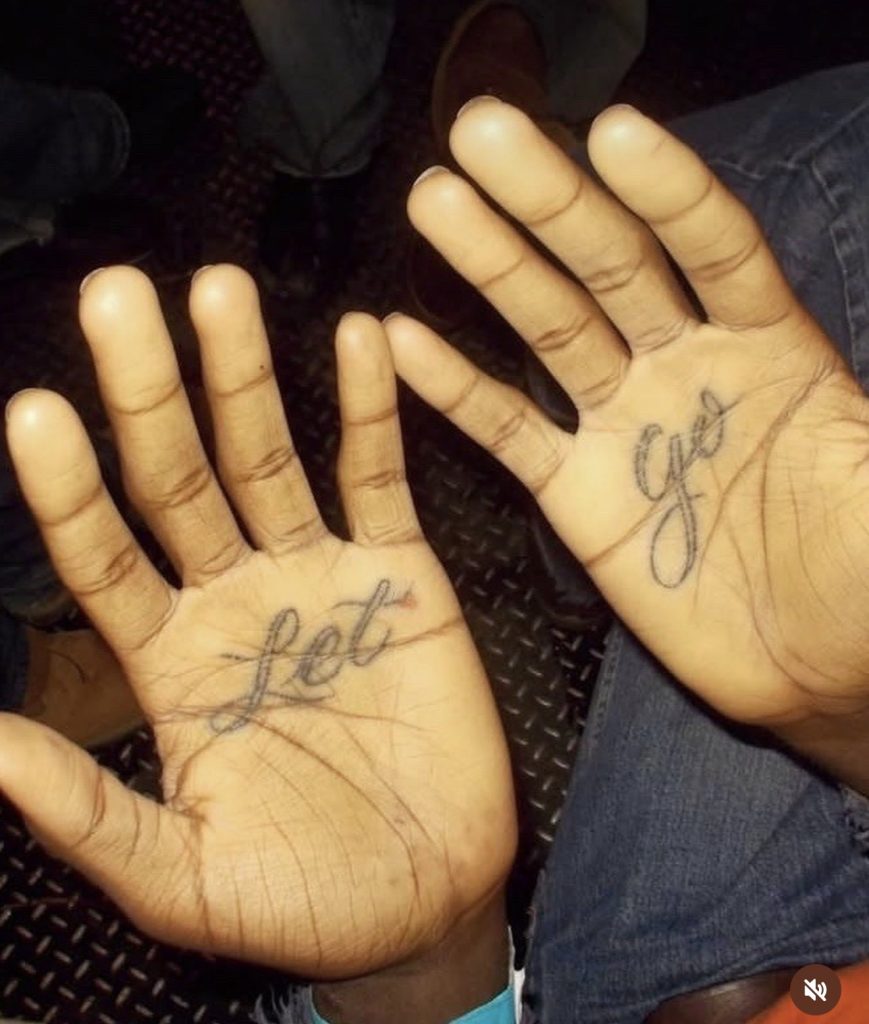
Detachment doesn’t mean you stop caring or start moving nonchalantly (please, for the love of god, chalant if you feel the need!). It means caring enough to recognize what is yours to carry and what isn’t. It means caring without clinging. It means giving your time and energy to the parts of the equation you can actually influence, and letting the rest fall where it may.
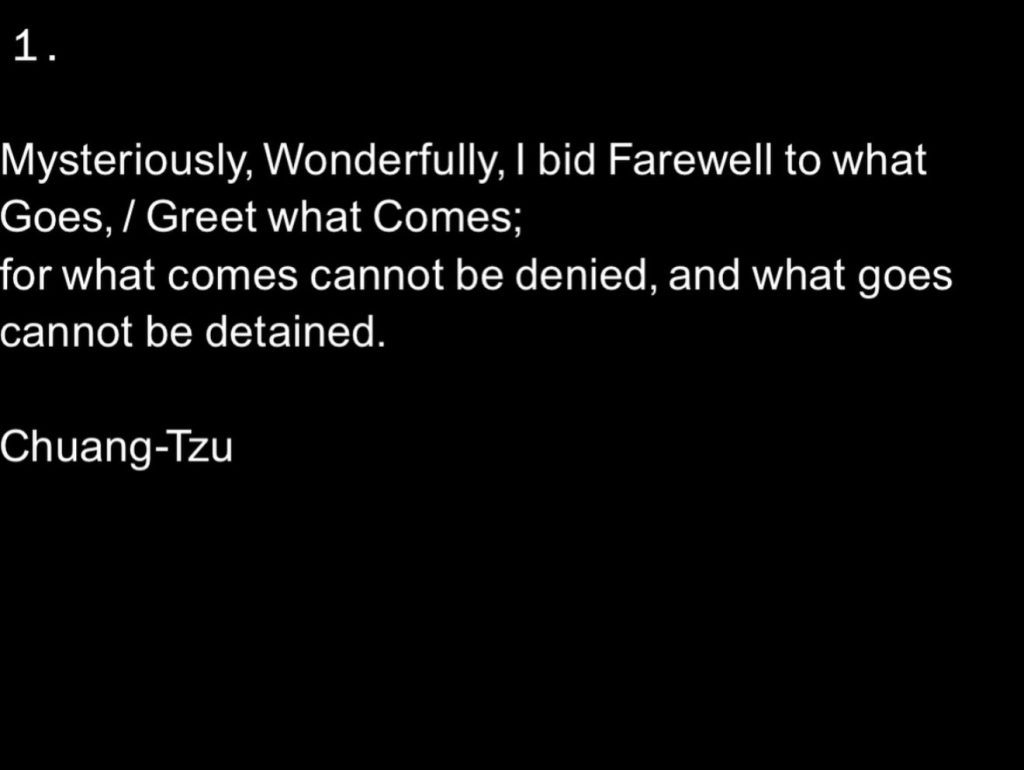
Surrender to the stream of impermanence and let go with grace. For nothing is owned, only borrowed :).